
























A product can be sitting in your cart at a retailer you trust, ready for checkout, while the same item costs less somewhere else. Retail price matching is designed for that moment. It gives shoppers a way to request a lower price from one retailer based on a qualifying competitor's offer, without necessarily changing where they buy.
The catch is that a lower listed price is not always enough. Retailers set their own rules, exclusions, time limits, and proof requirements. Knowing how those rules work can save money quickly, but knowing when to compare the full offer can prevent a false bargain.
What retail price matching actually covers
A price match is a retailer's promise to meet a competitor's advertised price for an identical item, subject to its policy. It is not a universal right, and it is not the same as a price adjustment. A price adjustment happens after you buy, when the retailer lowers its own price or sometimes when a qualifying competitor lowers theirs during a stated period.
For a match to qualify, the item usually needs to be exactly the same: same brand, model number, color, size, capacity, condition, and included accessories. A 65-inch TV with a different model suffix may look identical but have different ports, panel features, or a different warranty package. Retailers use model numbers because visual similarity is not enough.
Most policies also require that the competing product is in stock and available for purchase when the match is requested. A discontinued listing, marketplace offer with no inventory, or expired promotion generally will not qualify. The retailer may check the listing independently before approving the request.
Why policies differ from one retailer to another
Price matching helps retailers keep customers from leaving to complete a purchase elsewhere. At the same time, it can reduce margins and create exposure to pricing errors, third-party seller listings, and limited-time promotions. That is why policies are often narrower than shoppers expect.
A retailer may match its own website and selected major competitors but exclude warehouse clubs, auction sites, membership pricing, local-only deals, and marketplace sellers. It may accept an online competitor's price but require shipping costs to be included in the comparison. Another retailer may only match prices from a specific list of named competitors.
This does not make price matching less useful. It means the policy is part of the deal. Before relying on it, check whether the retailer accepts online offers, whether the competitor must be authorized, and whether the policy applies before or after payment. A five-minute check can prevent an abandoned cart, a wasted store visit, or an awkward customer-service dispute.
How to request a price match efficiently
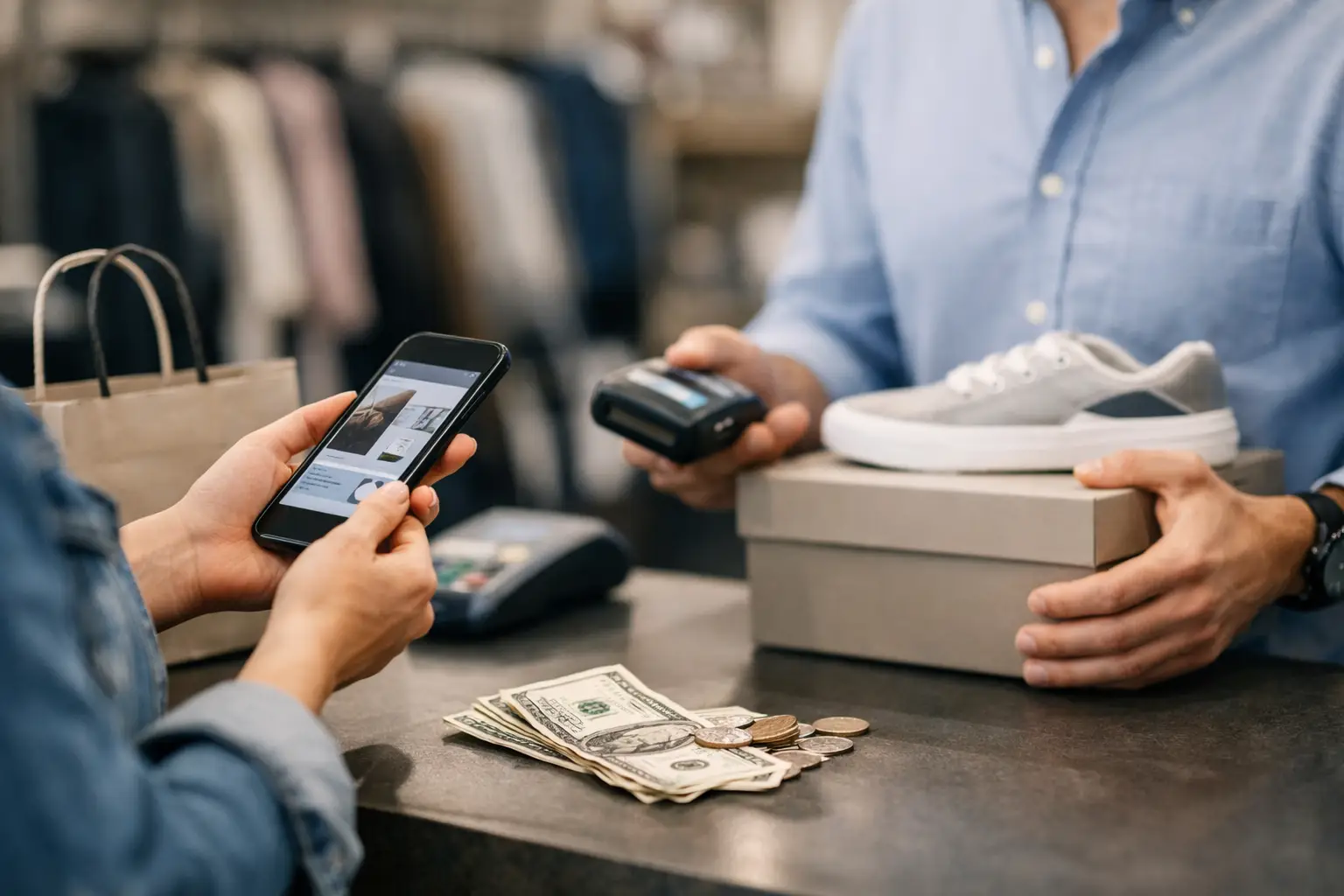
The best time to request a match is before placing the order. For an in-store purchase, have the competing listing open on your phone and make sure the relevant details are visible: product title, model number, current price, retailer name, availability, and any shipping charge. For an online order, look for a price-match request process in the retailer's customer support area, chat, or checkout workflow.
Use the retailer's product identifier when possible. Product names can be shortened or written differently across stores, but an exact UPC, SKU, or manufacturer model number gives the representative a fast way to confirm the match. If the competitor's listing is unclear, expect the request to be denied.
Do not wait until a promotion has ended. Screenshots can be useful as a backup, but many retailers require a live, accessible listing. A timestamped screenshot may show that a price existed, yet it does not prove the item remains available at that price when the request is reviewed.
If an order has already been placed, check the policy immediately. Some retailers offer a limited adjustment window, often measured in days rather than weeks. Save your receipt, order number, and the competitor listing. The request may be simple, but timing matters.
Read the exclusions before you build your shopping plan
The details that change the value of retail price matching are usually found in the exclusions. Common exclusions include clearance merchandise, flash sales, Black Friday promotions, loyalty-member pricing, coupon-based discounts, refurbished products, open-box items, bundles, financing offers, and obvious pricing mistakes.
Third-party marketplace sellers are another frequent issue. A major retailer may list an item through an outside seller, while the physical retailer you want to buy from may only match products sold and shipped directly by the competitor. This distinction matters because marketplace offers can vary widely in fulfillment speed, return terms, and seller reliability.
Shipping also changes the math. A competitor may advertise a lower item price but add a delivery fee at checkout. If the store matching the price includes shipping in its calculation, the match may be smaller or unavailable. Sales tax is usually determined by the final seller and destination, so it is less likely to be matched, but it still belongs in your total-cost comparison.
A matched price is not always the lowest-cost choice
Price matching is most valuable when it lets you keep the advantages of your preferred retailer while paying a competitive price. Those advantages might include faster local pickup, easier returns, a store credit balance, better delivery options, or a warranty process you already understand.
But a match can also hide differences that matter. Suppose a factory-direct marketplace has a much lower price for what appears to be the same product. The listing may use a different manufacturer, a different plug type, a smaller capacity, or an accessory package that is not equivalent. Even when the product is genuinely identical, delivery time, return shipping cost, warranty coverage, and seller support can change the value of the purchase.
Compare the final checkout cost, not only the headline price. Include item price, shipping, taxes, required memberships, and any fees. Then consider the practical cost of a problem. Saving $12 may not justify a difficult return process for a product that could arrive damaged, fit incorrectly, or fail early. On a durable item, a clearer warranty may be worth more than a modest initial difference.
Use comparison tools before asking for a match
A price-match policy works best after you have confirmed that the competing offer is real and equivalent. Search across retailer listings, manufacturer information, and marketplace sources before choosing which price to present. This is especially useful for electronics, appliances, tools, furniture, and branded products that appear under slightly different titles.
AI Price Search can help organize those offers in one place, including conventional retail listings and factory-direct marketplace options. Use the results as a research step, then verify the exact model, seller, availability, and delivered price on the retailer's listing before submitting a request. Comparison tools accelerate discovery, but the retailer's policy determines whether a match is approved.
Image-based searching can also help when you have a screenshot or product photo but no model number. Treat image matches as leads, not proof. Find the manufacturer details or exact specifications before assuming two listings represent the same item.
When to skip the price-match request
Sometimes buying directly from the lower-priced seller is the better move. If the competitor has the same item in stock, a clearly stronger total price, acceptable delivery timing, and a return policy you can live with, a price match adds an unnecessary step. This is common with commodity products where seller differences are minimal.
In other cases, paying a little more at a retailer with local returns or dependable fulfillment is the efficient choice. This is especially true for large items, urgent purchases, products with a high defect rate, or purchases where installation and support matter.
Do not assume a retailer will match every promotional price during major sales periods. Retailers often suspend or narrow price-match coverage when promotions are moving quickly. If a sale is ending soon, decide whether the approved match is worth pursuing or whether buying from the lower-priced source now is the safer option.
Build a repeatable price-check routine
For frequent online shoppers and small business buyers, the fastest process is simple: identify the exact product, compare delivered prices across reliable sellers, check the preferred retailer's policy, and request a match before checkout. Keep product model numbers in your shopping list so you do not have to repeat the research later.
Retail price matching is not a replacement for product research. It is a purchasing option that can combine a competitive price with the retailer experience you prefer. The strongest decision is usually the one with the lowest verified total cost and the fewest surprises after the order is placed.