Save $5/Order With a $99 Plan: Shipping vs Pickup for U.S. Sellers
September 30, 2026

Save $5/Order With a $99 Plan: Shipping vs Pickup for U.S. Sellers
BLUF: pickup is usually cheaper for local, bulky, or low-value orders, while shipping only wins when distance, light weight, or time pressure justifies the extra labor and fees. Before you decide, check for residential surcharges, dimensional weight charges, and pickup or on-call fees, since these hidden costs often flip the math.
TL;DR:
- Pickup generally costs less for local, bulky, or low-value orders because it avoids carrier surcharges and additional fees.
- Shipping costs can rise significantly due to dimensional weight charges, residential surcharges, and on-call or same-day pickup fees, especially for long-distance or lightweight parcels.
- Fixed costs like memberships are only economical if the order volume is high enough to amortize the fee across multiple transactions.
- Delivery becomes more cost-effective when order frequency is high, the delivery radius is small, or the purchase is time-sensitive.
- Always verify total checkout costs, including hidden fees or markups, using rate guides and tools like price comparison or drop-ship detectors before deciding between pickup and shipping.
Table of Contents
- Line-item cost breakdown for shipping and pickup
- What order volume, radius, and order size tell you to choose
- How carrier fees change your landed cost
- Dimensional weight and packing choices that affect shipping cost
- Practical pricing strategies for sellers
- Three worked examples to adapt to your own numbers
- Evidence behind the numbers and how to verify your own
- Balancing margins with convenience
- Compare your total checkout cost before you decide
- Sources
- FAQ
Line-item cost breakdown for shipping and pickup
A fair comparison means listing every cost, not just the number printed at checkout. Shipping costs stack up fast: carrier base rates, dimensional weight adjustments, fuel surcharges, residential or area surcharges, pickup and on-call fees, packaging materials, insurance, failed delivery attempts, and sometimes a tip for the driver. Pickup has its own hidden costs too, mostly on the seller’s side: staff time to pick and stage an order, curbside labor during busy windows, transaction handling, reservation scheduling software, and the parking or lot space needed to run it smoothly.
Some of these costs are fixed regardless of order count, like a membership fee or curbside canopy, while others scale per order, like a carrier’s residential surcharge. Memberships are where math gets tricky: a flat annual fee only becomes a bargain once you’ve amortized it across enough orders, and membership amortization can make delivery cheaper than pickup for frequent buyers even though it looks expensive on a single order.
- Shipping costs include base rate, dimensional weight, fuel surcharge, residential surcharge, packaging, insurance, and failed-delivery fees.
- Pickup costs include picking labor, curbside staffing, reservation systems, and parking or lot overhead.
- Fixed costs like memberships only pay off once spread across enough repeat orders.
- “Free delivery” is rarely free: the cost is usually built into the item price or buried in a membership fee.
Watch for markup traps disguised as convenience. A retailer offering “free delivery” has often raised the item price to cover it, and a membership that promises free shipping only saves money if you order often enough to offset the annual fee.
What order volume, radius, and order size tell you to choose
Three variables decide which option wins for a given order: how often you buy or sell, how far the delivery has to travel, and how big the basket is. A short numbered checklist helps translate these into a decision.
- If you order locally and infrequently, pickup usually costs less since there’s no accessorial or fuel surcharge to absorb.
- If deliveries are frequent and clustered in a tight radius, a seller can spread staffing or vehicle costs across more orders, narrowing the delivery-pickup gap.
- Higher average order values make it easier to absorb delivery costs without cutting into margin, since the fee becomes a smaller percentage of the sale.
- If a customer’s lifetime value is high, subsidizing delivery on early orders can be a reasonable acquisition cost even if that single order loses money.
- Time-sensitive purchases shift the calculus toward delivery regardless of cost, since convenience becomes the deciding factor over price.
Sellers who track order frequency and radius over a few months usually find a natural break-even point where offering free or subsidized delivery starts to pay for itself through repeat business.
How carrier fees change your landed cost
Carrier rate guides list a base shipping rate, but the real cost usually includes several accessorials that catch shippers off guard. On UPS and USPS guides, the most common charges include residential surcharges, area or remote surcharges, same-day or on-call pickup fees, and charges for repeated delivery attempts. These fees vary depending on the shipment’s size, timing, and destination.
- Residential surcharges apply when a package ships to a home address rather than a business.
- Area or remote surcharges apply to destinations outside standard delivery zones.
- On-call or same-day pickup fees apply when a shipper requests a carrier stop outside a regular scheduled route.
- Repeated delivery attempt fees apply when no one is available to receive a package.
UPS’s published pickup charges show a real-world range worth checking before you ship: the 2026 accessorial preview lists a same-day pickup fee around $14.75 and a daily pickup charge around $36, both well above the base shipping rate for a single small parcel.
The rate printed on a retail guide is rarely what a high-volume shipper actually pays. UPS’s small-business rate guide shows that negotiated rates can run well below list prices, so a business comparing quotes should always ask for its own negotiated rate rather than assuming the published retail number applies.

Dimensional weight and packing choices that affect shipping cost
Carriers do not just charge by weight. Once a box crosses a certain volume threshold, they compare the actual weight to a calculated “dimensional weight” based on the package’s length, width, and height, and bill whichever number is higher. USPS Notice 123 states that parcels exceeding one cubic foot may be charged using dimensional weight instead of actual weight, which means a large, lightweight box can cost more to ship than a small, heavy one.
- A lighter item in an oversized box can trigger dimensional pricing even though the scale reads low.
- Trimming a box by even a few inches on each side sometimes drops a shipment into a cheaper pricing tier.
- Flat-rate boxes can beat dimensional pricing for dense, heavy items that fill the box efficiently.
- Negotiated carrier programs sometimes waive dimensional adjustments for high-volume shippers.
Pro Tip: Measure the packed box, not the product, and round up to the nearest inch on every side before requesting a shipping quote.
Practical pricing strategies for sellers
Small vendors don’t have to pick one model exclusively. Three hybrid approaches tend to protect margin while still meeting demand for convenience.
- Offer pickup as the default option and price delivery as a separate paid add-on that covers labor and fuel.
- Set zone-based delivery fees so nearby customers pay less and distant customers cover the added mileage.
- Use a minimum-order threshold for free shipping, so the delivery cost is absorbed only when the order size supports it.
Membership programs work the same way: divide the annual fee by the number of orders a typical customer places to see the true per-order cost, then compare that number to a one-time delivery fee. Whether to roll delivery into the sticker price or show it as a surcharge often comes down to transparency: showing it separately builds trust, while folding it in works better when delivery is rare and expected.
Three worked examples to adapt to your own numbers
These illustrative scenarios use rounded figures to show the mechanics. Swap in your own product weight, distance, and order frequency to get a real comparison.
- Local bulky order: say a 40-pound patio chair costs $8 in gas and 20 minutes of staff time to hand off curbside, versus a local courier that charges a $25 flat delivery fee. Pickup wins by a wide margin for anything heavy and local.
- Long-distance lightweight parcel: say a 2-pound item in a 14-inch box crosses the one-cubic-foot dimensional threshold set by USPS Notice 123, pushing the shipping charge above $15 even though the item itself weighs almost nothing. If the buyer lives nearby, pickup at no cost is the clear winner.
- Recurring grocery delivery: say a $99 annual membership is split across 20 orders a year, adding roughly $5 to each order’s true cost. For someone who orders weekly, that beats paying a $9 to $12 delivery fee on every single trip, a pattern consistent with the amortization effect described in Checkbook’s grocery delivery comparison.
Evidence behind the numbers and how to verify your own
These figures come from primary sources rather than guesswork, which matters because carrier rates and consumer behavior shift year to year.
- UPS’s retail rate guide and accessorial preview list current pickup charges, residential surcharges, and negotiated-rate structures.
- USPS Notice 123 sets the flat-rate pricing and dimensional-weight rules that decide when a box crosses into a higher pricing tier.
- USDA’s Economic Research Service found that 19.3% of grocery shoppers bought groceries online in the past month, and among them, 40.5% cited time constraints as a leading reason, which explains why many people accept delivery fees they could avoid with pickup.
Checking your own numbers against a published carrier guide is the only reliable way to know your landed cost. A tool like AI Price Search can also help by comparing a seller’s full checkout total, shipping included, against other verified sellers, and its Dropship Detector flags listings where markups are hiding inside a “free shipping” offer.
Balancing margins with convenience
Sellers protect margin by defaulting to pickup and charging honestly for delivery; shoppers protect their budget by checking whether a “free” option is actually built into a higher price. Carrier rules and packaging thresholds shift often enough that it’s worth rechecking the current rate guide before assuming last year’s numbers still hold.
— Timothy
Compare your total checkout cost before you decide
Once you know whether pickup or shipping fits your order, it helps to confirm the final number a seller actually charges instead of trusting an advertised rate. Some platforms compare total checkout prices, shipping included, across multiple retailers and sources to reveal when a “free delivery” listing includes hidden markups.
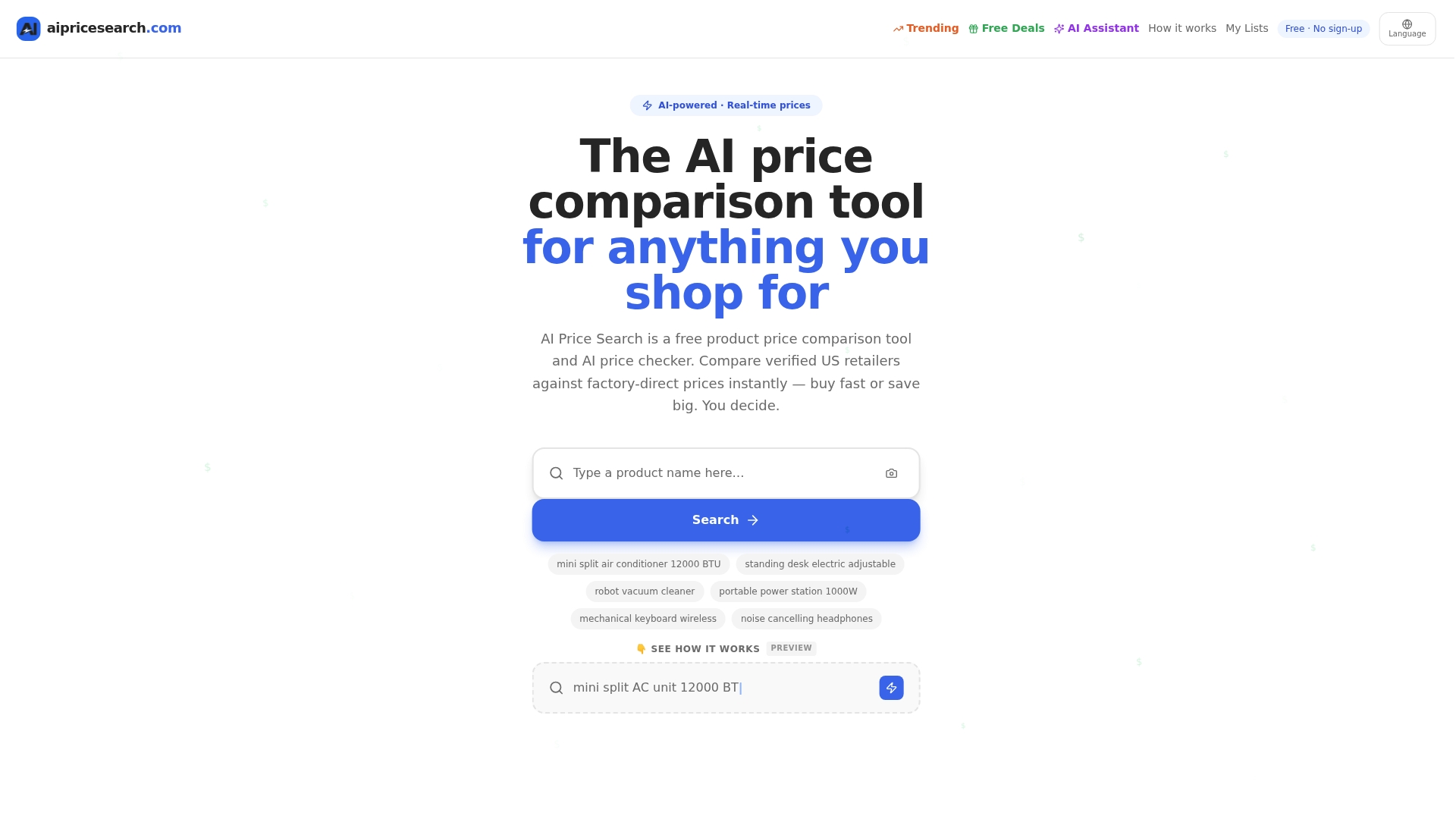
- Compare full checkout totals, not just sticker prices, across multiple sellers at once.
- Use the Dropship Detector to spot listings with inflated markups disguised as convenience fees.
- Track price history and set alerts so you know when a shipping fee or item price changes.
Start a search at AI Price Search to see the real cost of shipping versus pickup on your next order.
Sources
- UPS accessorials and preview (2026)
- USPS Notice 123 (Price change / flat-rate & dimensional rules)
- USDA ERS chart/note on online grocery shopping (2026)
- Checkbook - Grocery delivery pros, cons, and costs
FAQ
Is it cheaper to ship a 20 pound box with UPS or USPS?
The cheaper carrier depends on the box’s dimensions, destination, and whether it triggers a dimensional weight charge, since both carriers bill on whichever is higher: actual or dimensional weight. Checking both carriers’ current rate guides for your exact packed dimensions is the only reliable way to know, since a small size difference can flip the winner.
Does it cost more to order pickup?
Pickup is usually free or built into the item’s price, with no added courier or accessorial fees, which is why it tends to cost less than delivery for local and bulky orders. The main hidden cost falls on the seller, who absorbs staffing and staging time rather than passing a fee to the customer.
Is $10 a lot for shipping?
Whether a pickup or delivery fee is reasonable depends on the item’s size and distance: for a small, light parcel traveling a short distance it can be high, but for a heavy or oversized item crossing multiple carrier zones it may be below cost. Comparing the fee against the carrier’s published base rate and any accessorials for your specific package is the best way to judge it.
What is the difference between pickup and shipping?
Pickup means the customer collects the order directly from the seller’s location, avoiding carrier fees but requiring travel time. Shipping means a carrier delivers the order to the customer’s address, adding costs like base rate, fuel surcharges, and potential residential or dimensional weight fees.