6 Trusted U.S. Online Retailers: Surveys, FTC Rights, and Price Checks
October 3, 2026

6 Trusted U.S. Online Retailers: Surveys, FTC Rights, and Price Checks
The most consistently trusted online retailers in the U.S. include Amazon, Walmart, The Home Depot, Walgreens, Chewy, and Nordstrom, and they earn that trust through strong survey rankings, clear return policies, and dependable buyer protections. These names top independent trust surveys year after year, and they back up that reputation with flexible returns, in-store pickup, and responsive customer service. From here, we walk through how to verify any retailer yourself before you buy.
TL;DR:
- Trustworthy retailers like Amazon, Walmart, and Nordstrom offer clear return policies, strong customer support, and reliable shipping, making them safer choices.
- Always verify contact details, read full return policies, and search for complaints before completing an online purchase to avoid fraud.
- Paying with a credit card provides the best buyer protection, especially for disputes over missing or fraudulent shipments.
- Marketplace purchases require checking if the seller is a third party and understanding the specific return and resolution policies for that seller.
- Comparing prices across verified retailers using tools can help ensure you get the lowest total cost, not just the highest-ranked or most familiar store.
Table of Contents
- Editorial shortlist: trusted U.S. online retailers
- How trust is measured and the checks every shopper should run
- Buyer protections and U.S. law shoppers should know
- Marketplace sellers vs. brand storefronts
- Our evidence: what internal data shows about price and reliability
- Author perspective: balancing trust and price when shopping online
- A tool-based alternative: compare verified retailers before you buy
- FAQ
- Sources
- Authoritative sources and official pages
Editorial shortlist: trusted U.S. online retailers
A handful of retailers show up again and again when consumer surveys measure trust, satisfaction, and shipping reliability. Pairing those survey results with each retailer’s actual policies gives a clearer picture than star ratings alone.
- Amazon: the default marketplace for most U.S. shoppers, with a broad return window and buyer protections that apply across most third-party sellers, though protection terms vary by seller type.
- Walmart: strong in-store pickup and return options tied to a physical footprint, which gives shoppers a backup path when an online order goes wrong.
- The Home Depot: a leader among home improvement retailers, with flexible return policies on most products and in-store support for online orders.
- Walgreens: convenient for pharmacy and everyday essentials, with pickup options and a long-standing retail presence that supports fast issue resolution.
- Chewy: known for pet supplies and a customer service reputation that includes proactive replacements and refunds beyond the standard policy minimums.
- Nordstrom: trusted for apparel and accessories, with a reputation for generous returns and attentive customer service that extends to its online storefront.
Retailers like these consistently rank among the top performers in the ACSI retail and consumer shipping study, where some online stores scored as high as 82 out of 100 on customer satisfaction. Surveys like this, along with BrandSpark’s Most Trusted Awards, work as useful tiebreakers when you are choosing between two familiar national chains that otherwise look similar on price and selection. What sets the group above apart is not just name recognition. It is the combination of consistent survey performance with policies you can actually verify: clear return windows, omnichannel support, and a track record of resolving complaints without forcing you through endless phone trees.
How trust is measured and the checks every shopper should run
Survey-based trust scores like ACSI’s and BrandSpark’s Most Trusted Awards come from real customer feedback collected across large samples, which makes them more reliable than a handful of online reviews. The BrandSpark/Newsweek Most Trusted Awards are based on a national survey of 35,215 U.S. shoppers, and they identify the most-trusted brand in dozens of categories rather than relying on a single metric.
Before you hand over your payment information to any retailer, run through this checklist:
- Look for a working customer service phone number, e-mail, and physical address, not just a contact form.
- Read the return policy in full, including who pays for return shipping and how long you have to decide.
- Check the retailer’s shipping promises against what actually happens once you order.
- Search the retailer’s name alongside “complaint” or “fraud” to surface red flags that reviews might miss.
- Confirm the checkout uses encrypted payment processing and never asks for payment by gift card or wire transfer.
Pro Tip: A padlock icon or “https” in the URL only confirms the connection is encrypted. It says nothing about whether the business behind the site is legitimate, so pair it with a complaint search before you buy.
Fake reviews and inflated star ratings are the most common traps. A retailer with thousands of five-star reviews and zero complaints anywhere online is worth a second look, not immediate trust.

Buyer protections and U.S. law shoppers should know
Federal law gives you real leverage when a retailer drags its feet. Under the FTC’s Mail, Internet, or Telephone Order Merchandise Rule, sellers must ship within the time they promise, or within 30 days if they gave no specific date. If they cannot meet that deadline, they are required to offer you the choice to cancel for a full refund rather than leave you waiting indefinitely.
Paying by credit card adds another layer of protection, since card issuers let you dispute charges for items that never arrive or do not match what was advertised. That dispute right generally does not exist with debit cards, gift cards, or wire transfers, which is one reason credit cards remain the safer default for online purchases.
- Save your order confirmation, tracking information, and any seller communication as soon as you buy.
- If shipping deadlines are missed or something looks fraudulent, contact your card issuer to start a dispute.
- Report the seller to the FTC at ReportFraud.ftc.gov, which collects consumer complaints used to track and act on fraud patterns nationwide.
Marketplace sellers vs. brand storefronts
Buying directly from a brand’s own website is straightforward: one company, one return policy, one point of contact. Marketplaces complicate that picture because the product you’re buying may be sold and fulfilled by a third party rather than the marketplace itself, and protections can shift depending on who you’re actually buying from, as the FTC’s guidance on marketplace purchases explains.
Before you check out on any marketplace listing, confirm:
- Whether the listing says “sold by [brand]” or “sold by a third-party seller via the marketplace.”
- The specific return window for that seller, which can differ from the marketplace’s general policy.
- What dispute or resolution path the marketplace offers if the seller does not respond.
- Whether the listed payment methods include traceable options like credit cards rather than irreversible ones.
When the price difference is small, buying direct from the brand often saves you a step if something goes wrong.
Our evidence: what internal data shows about price and reliability
Trust checks tell you who is safe to buy from. Price checks tell you whether you’re getting a fair deal from that trusted seller, and the two questions are easy to conflate. Our own analysis of 225 product searches found that one major retailer led on lowest price in 51% of cases, meaning the “trusted” choice and the “cheapest” choice are often different retailers entirely.
Running a price check across verified sellers before you buy confirms you’re getting the lowest total cost, not just a price from a name you recognize.
Shoppers using our AI price comparison tool report average savings of $212 this month, a figure drawn from our own usage data rather than any third-party survey.
Author perspective: balancing trust and price when shopping online
We’d rather you pick the retailer with the clearer return policy than the one that’s $3 cheaper. Save your order confirmation and screenshots the moment you buy, and start a dispute the day something looks wrong rather than waiting to see if it resolves itself. Price matters, but it’s the second question, not the first.
— Timothy
A tool-based alternative: compare verified retailers before you buy
Trust checks narrow your list to retailers worth buying from. Once you’re there, we built our AI price comparison tool to answer the next question: which verified seller actually has the lowest total cost, including shipping and tax, for the exact item you want.
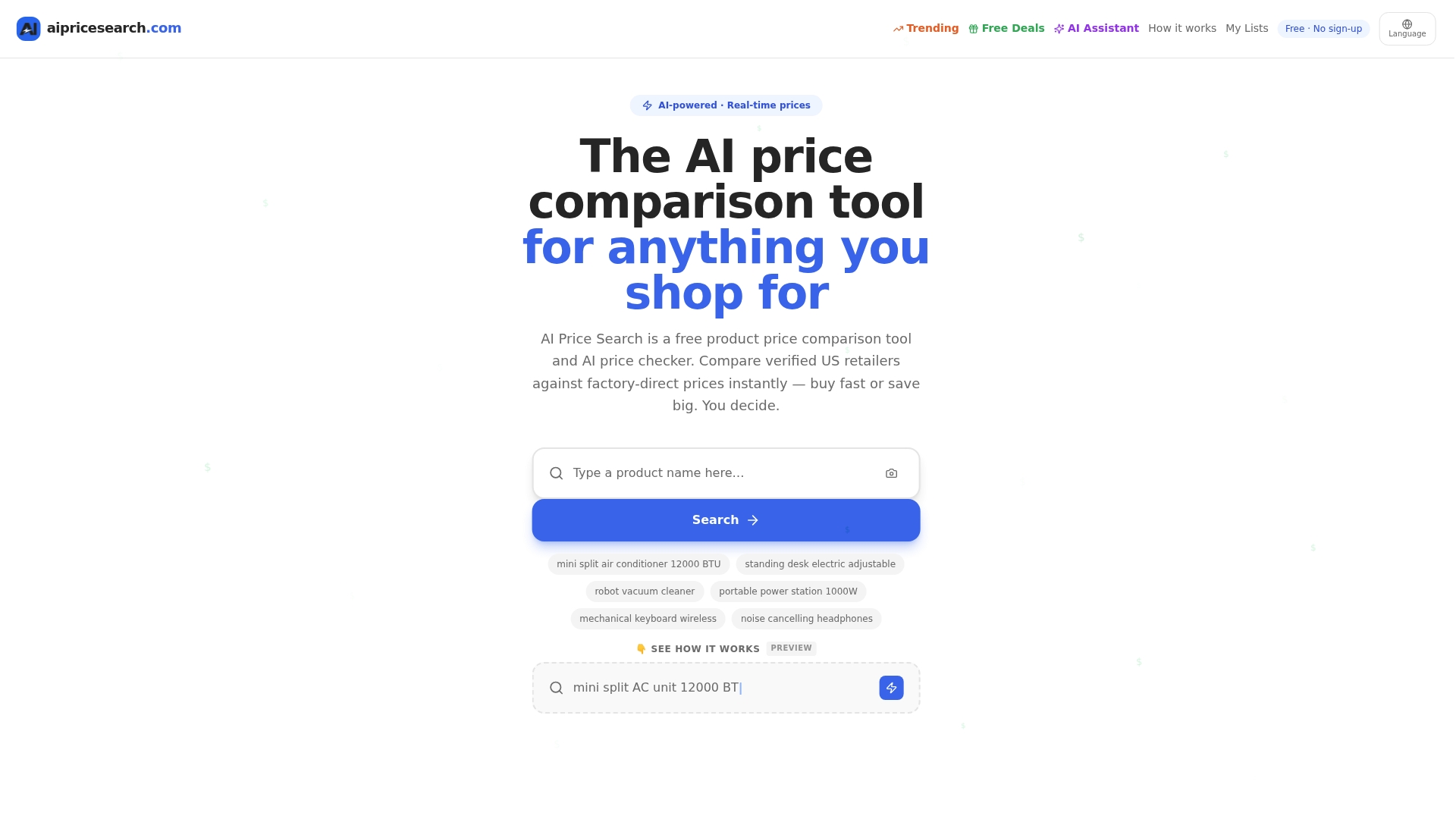
Our platform compares prices across verified U.S. retailers and factory-direct sources, flags listings that carry a dropship markup through our dropship detector, and sends price alerts so you’re not stuck guessing whether now is the right time to buy. You can also search by photo or by pasting a product URL, and save items to shared shopping lists for later.
- Compare prices across verified retailers and factory-direct sellers in one search.
- Flag listings likely to carry a dropship markup before you click buy.
- Set price alerts so you catch a drop without checking manually.
- Save and share product lists across devices.
Shoppers using the tool report average savings of $212 this month. Try a free price check on your next purchase before you commit to a cart.
FAQ
What are the most reliable online retailers?
Retailers like Amazon, Walmart, The Home Depot, Walgreens, Chewy, and Nordstrom consistently rank high in trust surveys from organizations like ACSI and BrandSpark. They combine strong customer satisfaction scores with clear return policies and dependable shipping.
What is the best online shopping website?
There’s no single “best” site since the right choice depends on what you’re buying and how much you value returns versus selection. For general merchandise, Amazon and Walmart are common defaults, while specialty retailers like Chewy or Nordstrom may suit specific categories better.
What is the number one online store?
Amazon is the largest online retailer by sales volume and shopper reach in the U.S., though “number one” varies depending on whether you’re measuring sales, customer satisfaction, or trust survey rankings. Our own analysis of 225 searches found Amazon offered the lowest price in 51% of cases, not an outright majority.
How do I buy safely from US online stores?
Check the seller’s return policy, contact information, and shipping timeline before you buy, and use a credit card rather than a debit card or gift card for better dispute rights. The FTC’s online shopping guidance recommends searching for complaints and reporting fraud at ReportFraud.ftc.gov if something goes wrong.
Sources
- ACSI — Retail and consumer shipping study 2026 (press release)
- FTC — Business guide: mail, internet, or telephone order merchandise rule
- FTC — Online shopping consumer advice
Authoritative sources and official pages
For further reading on the rules and data behind this guide, see the FTC’s shipping rule, its online shopping advice, the Census Bureau’s e-commerce data, and the ACSI’s retail shipping study, each linked in the sections above.