










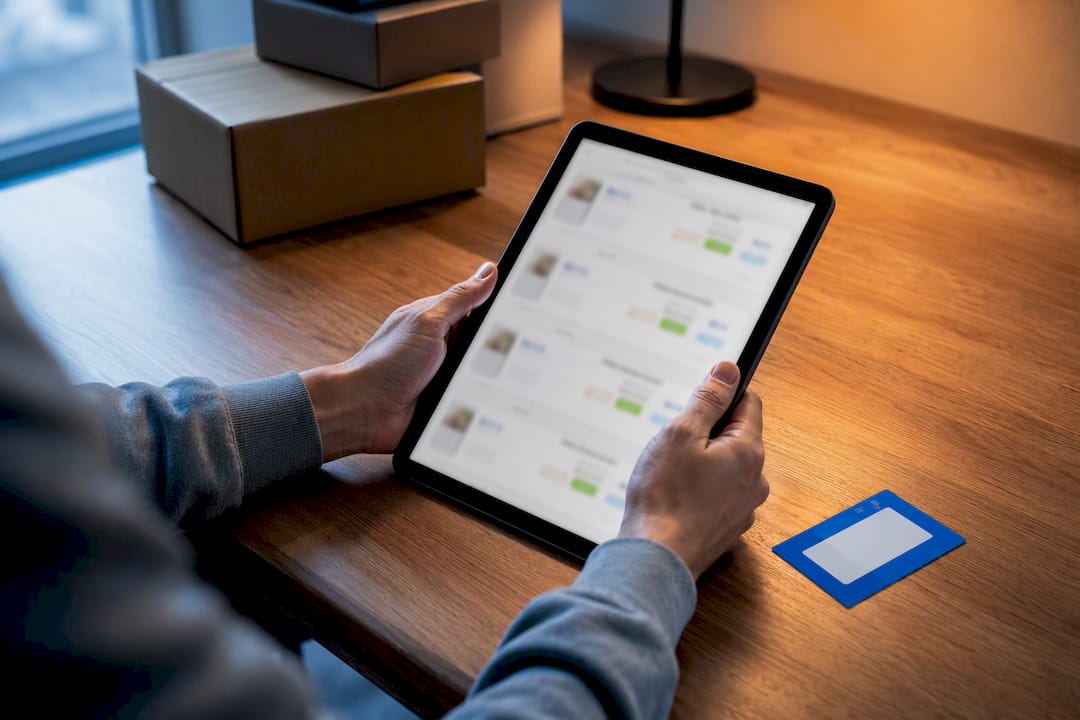




















A product search can return dozens of nearly identical listings, each with a different price, shipping estimate, seller name, and product description. Retail data software turns that scattered information into a format people can actually use. Instead of opening tab after tab, shoppers can compare relevant offers, check product details, and make a purchase decision with less guesswork.
For price-conscious shoppers, the value is straightforward: better organization produces faster comparisons. For retailers, marketplaces, manufacturers, and affiliate partners, structured data creates a clearer way to present products and offers where buyers are already researching.
What Retail Data Software Does
Retail data software collects, standardizes, and organizes commerce information from multiple sources. Depending on the platform, that information can include product names, model numbers, images, retailer offers, current prices, availability, shipping costs, seller details, manufacturer information, and category attributes.
The software then connects records that refer to the same or closely related product. This matters because retailers rarely describe products in exactly the same way. One listing may emphasize color and size, another may lead with a model number, and a third may use a shortened product title. Without normalization, a comparison tool can treat the same item as several separate products.
A useful system does more than collect listings. It helps answer practical questions: Is this the exact product? Which seller has the lowest total cost? Is the lower price from a conventional retailer, a marketplace merchant, or a factory-direct source? Are there meaningful differences in delivery time, return policies, bundles, or product condition?
That distinction separates a product catalog from a decision tool. A large catalog is useful only when a shopper can quickly identify the offers that deserve attention.
Why Clean Retail Data Changes Price Comparisons
A lower displayed price is not automatically the better deal. A $39 item with $12 shipping may cost more than a $45 offer with free shipping. A low marketplace price may also come with a longer delivery estimate, a different return process, or unclear product specifications. Retail data software brings these variables into view before the buyer checks out.
Clean data also reduces false matches. Comparing a 64 GB version of a device against a 128 GB version, or a single unit against a multi-pack, creates a misleading price gap. Product attributes such as size, capacity, material, quantity, compatibility, and model number help keep comparisons accurate.
This is especially useful in categories where small specification differences affect value. Electronics, tools, replacement parts, beauty products, home goods, and office supplies often contain listings that look alike at a glance but are not equivalent. The more expensive option may include accessories, better warranty coverage, or a larger quantity. The cheaper offer may still be right, but only after the difference is visible.
Price history and offer changes add another layer of context. When a shopper sees that a price has recently increased, a purchase can wait. When multiple sellers move to the same lower price, that may indicate a promotion rather than a one-off listing error. Data does not remove judgment, but it gives that judgment better inputs.
The Data Fields That Matter Most
Not every field has equal value. A comparison experience becomes more useful when it prioritizes the information that affects the final decision. Four areas deserve special attention:
- Product identity: Brand, manufacturer part number, UPC or GTIN, model, dimensions, variation, and package quantity help determine whether offers match.
- Total purchase cost: Item price, shipping, taxes when available, coupon requirements, membership conditions, and minimum-order thresholds show what a buyer may actually pay.
- Seller and fulfillment details: Retailer name, marketplace seller, fulfillment method, delivery estimate, return terms, and product condition help buyers assess trade-offs.
- Offer freshness: The time an offer was last updated matters because prices and inventory can change quickly, particularly on marketplace listings.
A platform should present these details without burying users in raw fields. Shoppers need enough context to compare with confidence, not a spreadsheet they must decode. The best interface puts the core price and product match first, then makes deeper details easy to check when a decision is close.
Retail Data Software for Smarter Shopping
For consumers, the practical use case starts before checkout. Search for a product, review matched offers, and verify whether the lowest apparent price is a real like-for-like comparison. If an item is expensive or difficult to compare, use the manufacturer, model, and specification data to confirm it is the correct version.
Image-based search can make this process faster when a shopper has a screenshot, photo, or product image but no reliable product name. This is common with furniture, fashion accessories, home décor, unbranded marketplace products, and social media product ads. The image is a starting point; structured data helps determine whether visually similar results are actually comparable.
Shopping lists extend the same workflow across several purchases. Rather than repeatedly searching for products, users can organize items they plan to buy and revisit pricing as needed. This works well for household restocking, school supplies, small business purchasing, seasonal projects, or larger planned orders.
AI Price Search applies this approach by organizing retailer and marketplace offers alongside product and manufacturer information. Its comparison tools are designed to reduce the time spent moving between shopping sites while making price differences easier to evaluate. For shoppers researching items that may be resold from lower-cost sources, a dropship detection feature can provide another useful signal before buying.
Where the Trade-Offs Still Matter
Retail data software improves visibility, but it cannot make every shopping choice identical. The best option depends on the buyer's priorities.
Factory-direct and international marketplace sources may offer a lower item price, particularly for generic accessories, home goods, and products sold under multiple labels. The trade-off can be longer shipping, less predictable delivery, different return handling, or fewer customer service protections. A conventional retailer may charge more while offering faster delivery, easier returns, and familiar support.
Marketplace listings also need closer review. Multiple sellers can offer the same product, but fulfillment quality, shipping origin, and seller reputation may differ. A comparison tool can organize the offers, yet buyers should still read the terms for a purchase where delivery date, warranty, authenticity, or return flexibility matters.
Data freshness is another limitation. Prices, promotions, and stock status can shift between a search and checkout. Good software should show when information was updated and direct users to verify final pricing on the seller's purchase page. That is not a failure of comparison technology. It is the reality of a retail market where offers change constantly.
What to Look for in Retail Data Software
The right platform depends on whether the user is a shopper, merchant, manufacturer, or affiliate partner. Shoppers should prioritize accurate product matching, broad source coverage, clear price presentation, and filters that expose shipping, seller, and availability differences. A tool that simply displays a large number of results can create more work than it saves.
Merchants and manufacturers need a different view. Their product data should be structured enough to support accurate discovery: clear titles, stable identifiers, complete attributes, current images, and correct brand information. Incomplete feeds make matching harder and can place a product beside the wrong alternatives. Better data quality improves visibility as well as customer confidence.
Affiliate partners benefit when merchant rules, product feeds, tracking requirements, and retailer availability are handled consistently. Price comparison is not only about showing an offer. It also requires a reliable way to connect product information, retailer data, and approved commercial relationships without confusing the user.
The most useful systems are transparent about what they compare and how they categorize offers. If a result comes from a major retailer, a third-party marketplace seller, or a factory-direct source, that context should be visible. Clear labeling lets users decide what a lower price is worth to them.
Better Decisions Start With Better Comparisons
Retail search does not need more tabs, duplicate listings, or vague product names. It needs a faster way to connect the right product with the relevant offers and the details that affect total value.
When retail data software is accurate, current, and easy to use, shoppers can spend less time sorting through noise and more time deciding whether an offer is genuinely worth buying. Before choosing the lowest number on the screen, compare the product match, final cost, seller, delivery, and return terms. That extra minute is often where the better deal becomes clear.