






























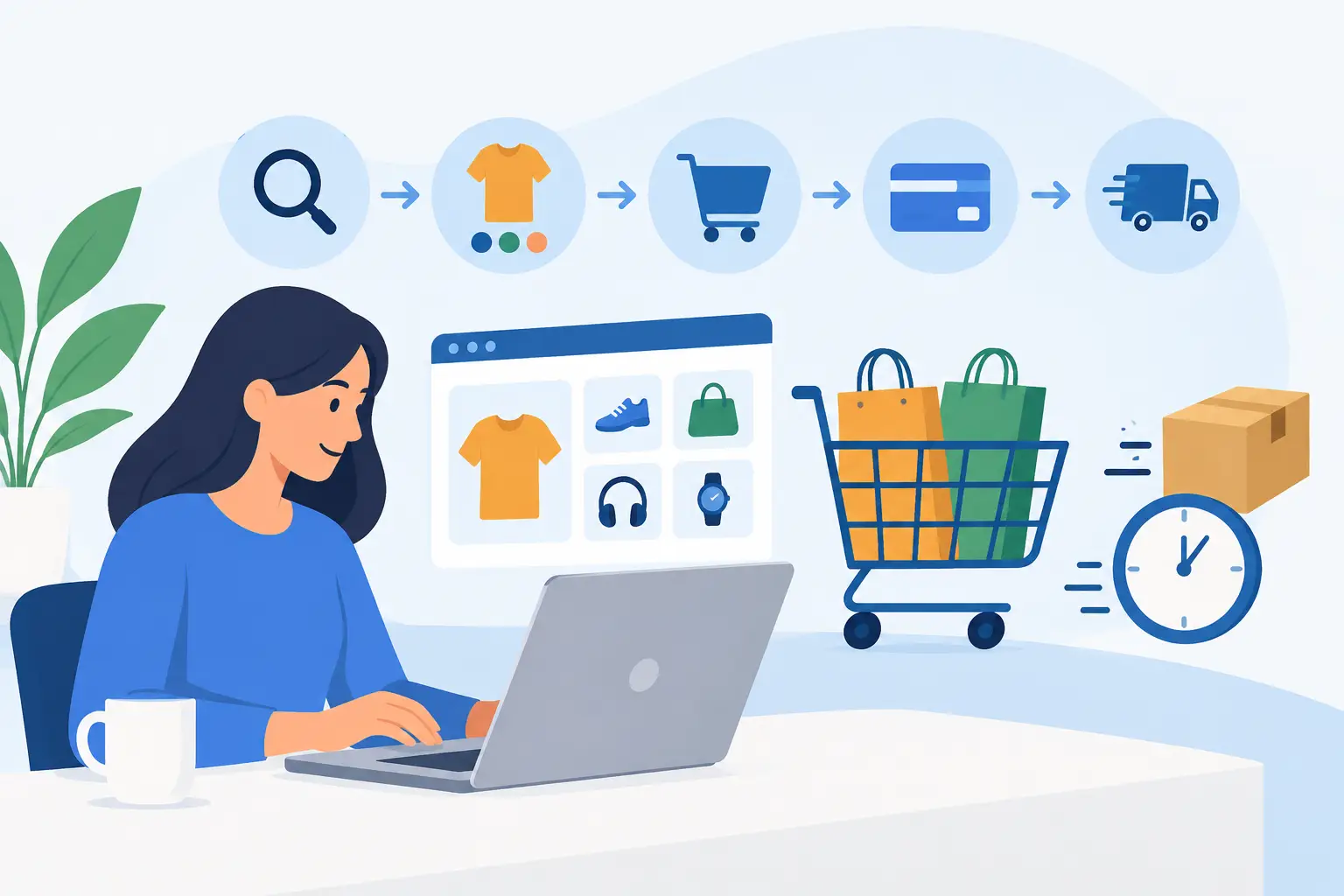
A low listing price can look like a deal until shipping, taxes, delivery timing, and seller reliability enter the picture. A useful marketplace shopping workflow turns that scattered research into a repeatable process: identify the exact product, compare equivalent offers, verify the seller, and buy only when the total value is clear.
This matters most for products sold across marketplaces, retail sites, and factory-direct sources. The same item may appear under different names, with different photos, bundles, warranties, and shipping terms. Comparing the first few search results is fast, but it can also lead to a higher final cost or a product that is not actually equivalent.
Start the Marketplace Shopping Workflow With Product Identity
The first task is not finding the lowest price. It is defining what you are buying.
For branded products, begin with a model number, manufacturer part number, UPC, size, color, capacity, or other identifying specification. A product title alone is often too broad. “Wireless earbuds,” for example, can describe hundreds of products with very different battery life, codec support, fit, and included accessories.
For unbranded or marketplace-heavy products, use the listing photos and specifications together. Look for details that are harder to change from one listing to another: dimensions, material, connector type, power rating, package contents, and visible design features. Image-based search can be especially useful when a product is discovered in a social post, an ad, or a screenshot without a reliable product name.
This step prevents a common comparison error: treating similar products as identical products. A low-cost listing may be a smaller version, a single-unit option instead of a set, or an older model. If the product identity is unclear, save it as a research candidate rather than treating its price as a valid benchmark.
Compare the Total Purchase Cost, Not the Headline Price
Once you have a close product match, calculate the amount you will actually pay. The displayed item price is only one part of the decision.
A practical comparison includes item price, shipping, sales tax, import charges when applicable, coupon requirements, minimum-order thresholds, and membership conditions. It also includes the cost of buying the correct configuration. A lower base price is irrelevant if the selected size, color, or bundle costs more than the option you need elsewhere.
Delivery speed belongs in this calculation too. A $4 savings may be worthwhile for a non-urgent replacement part. It may not be worthwhile if a domestic retailer can deliver in two days while a marketplace seller estimates two to three weeks. The right choice depends on the value of getting the item sooner.
Use a simple decision rule: compare like-for-like products at the same quantity, configuration, and delivery expectation. If one offer includes a charger, case, extended support, or additional units, assign value to those differences instead of assuming the lowest number wins.
AI Price Search is designed to organize retailer and marketplace offers in one place, which can reduce the time spent opening separate tabs just to establish a realistic price range. It is still worth checking the details of the final listing before purchase, since marketplace inventory and shipping terms can change quickly.
Check the Seller Before You Check Out
On a marketplace, the seller is part of the product. Two listings for the same item can produce very different outcomes based on fulfillment quality, communication, return handling, and inventory accuracy.
Start with recent seller feedback rather than relying only on a lifetime rating. A high overall score is useful, but recent reviews can reveal whether shipping delays, quality complaints, or customer-service issues are increasing. Read a small sample of both positive and negative reviews, focusing on patterns rather than one unusual experience.
Then check the listing details. Confirm where the item ships from, the estimated delivery window, return conditions, and whether returns are free or require international shipping. For higher-priced purchases, verify warranty coverage and whether the seller is authorized when that matters to the manufacturer.
Be careful with listings that use branded photos but provide vague specifications, unusually broad compatibility claims, or no clear product identifiers. Those signals do not automatically mean the listing is bad, but they justify more research. For electronics, replacement parts, safety items, and products that affect business operations, paying slightly more from a more accountable seller can be the lower-risk option.
Use Factory-Direct Listings as a Price Reference
Factory-direct marketplaces can expose the supply-side price of products that are also sold by domestic retailers or dropshippers. That information is useful even when you do not intend to order from the marketplace.
Suppose a generic desk accessory sells for $38 through a branded storefront and comparable listings appear for $11 to $15 from factory-direct sellers. The retail listing may still offer faster delivery, easier returns, better support, or local inventory. But the lower source price gives you context. You can decide whether those added benefits justify the markup.
This comparison is particularly useful for generic home goods, accessories, hobby supplies, packaging, basic tools, and unbranded electronics. It is less reliable for products with meaningful differences in quality control, materials, certifications, or warranty support. Similar appearance does not guarantee identical manufacturing standards.
A dropship detection tool can help identify cases where an item may be resold from a lower-cost marketplace source. Treat the result as a research signal, not a verdict. Use it to inspect product photos, descriptions, shipping origin, and competing listings more closely.
Create a Shortlist Instead of Repeating Searches
Shopping research becomes inefficient when every new search starts from scratch. A shortlist keeps the decision organized and makes it easier to wait for price changes, compare replacements, or return to a product after checking a budget.
For each candidate, save the product name or identifier, seller, total price, delivery estimate, return policy, and one note about why it is on the list. For example: “lowest total cost,” “fastest delivery,” “better warranty,” or “closest factory-direct match.” Those notes make the trade-off visible when several offers are close.
Shopping lists are also useful for planned purchases, such as office supplies, seasonal equipment, home projects, or recurring replacement items. Group products by purchase urgency. Buy the items with stable specifications and immediate need first. Keep non-urgent, price-sensitive products on the list until you have enough data to recognize a good offer.
For small business buyers, this approach provides a cleaner record of why one supplier or seller was selected. That can help with reordering and reduce the risk of buying a mismatched replacement later.
Know When to Stop Researching
Comparison shopping has a cost: your time. The goal is not to investigate every listing indefinitely. The goal is to reach a decision with enough confidence for the product and amount at stake.
For low-cost, low-risk purchases, compare a few credible offers and move on. For expensive items, products with compatibility requirements, or purchases where returns would be difficult, spend more time validating the product and seller. Set a decision threshold before you begin. If one offer meets your delivery requirement, has acceptable seller signals, and is within a small percentage of the lowest verified total price, it may be the right time to buy.
Price history and saved search activity can help distinguish a normal price from a temporary spike, but they should not create endless waiting. If the item is needed now, the best purchase is often the one that meets your requirements at a fair, verified total cost.
A Marketplace Shopping Workflow Built for Better Decisions
A consistent process reduces impulse purchases and avoids false savings. Identify the product precisely, compare final costs, evaluate the seller, check factory-direct context when relevant, and preserve strong candidates in a shortlist. Each step removes a different source of uncertainty.
The next time two listings look almost identical but their prices are far apart, pause before choosing the cheaper one. The difference may be a bargain, or it may be hidden in the product details, the seller, or the delivery terms. A few structured checks can tell you which.