




























How to Identify Product Model Numbers for More Accurate Price Comparisons
A product title can look identical while hiding important differences.
A television listed as a “65-inch 4K Smart TV,” for example, may come in several versions with different panels, ports, remotes, warranties, or release years. Two listings can look nearly identical while actually being different products.
That is why one of the best ways to compare prices accurately is to find the manufacturer's exact model number.
A model number helps confirm that two retailers are selling the same item. It can prevent mismatched accessories and replacement parts, distinguish different product generations, and help expose higher-priced reseller listings for products available elsewhere for less.
What Does a Product Model Number Tell You?
A model number is a manufacturer-assigned identifier for a particular product or product version. Depending on the manufacturer, it may identify differences in size, capacity, configuration, color, region, generation, or production year.
Unlike product titles, model numbers are designed for precision.
Retailers often shorten product names, add promotional language, or organize titles differently. One store might call something a “Premium 18V Brushless Drill Kit,” while another uses only the manufacturer's name and model number.
If the model numbers match, you have much stronger evidence that you are comparing the same product.
For example, two cordless drills may both be described as an “18V brushless drill kit.” One model might include batteries, a charger, and a case, while another is the bare tool only. Comparing their prices without checking the exact model or kit number could make the cheaper listing appear to be a much better deal than it really is.
Model Number vs. SKU, UPC, and Serial Number
These identifiers are often displayed together, but they serve different purposes.
A model number identifies a particular product version.
A SKU is generally a retailer's inventory identifier. Different retailers can assign completely different SKUs to the same product.
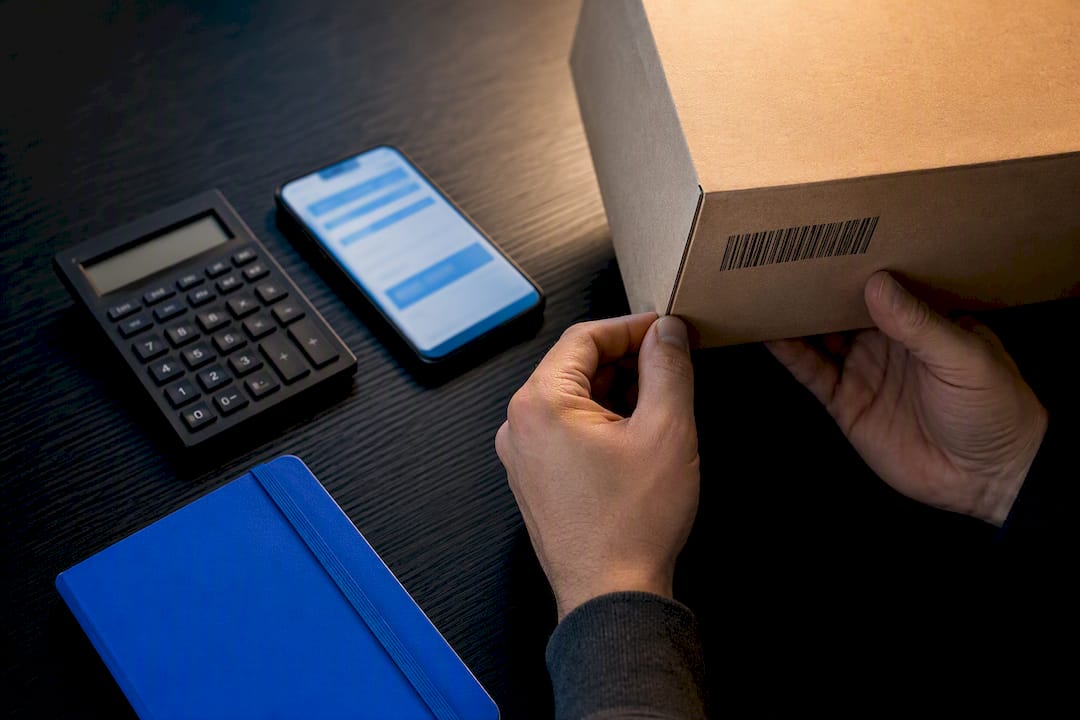
A UPC identifies a consumer product package through its barcode and can be useful as a secondary way to verify an exact match.
A serial number identifies one individual unit. Two identical televisions will normally have different serial numbers, so serial numbers should not be used for price comparisons.
When comparing products, start with the manufacturer's model number. If available, use the UPC as an additional confirmation.
Where to Find Product Model Numbers
The location of a model number depends on the type of product.
For something you already own, check the manufacturer's label, sticker, engraving, original packaging, or owner's manual.
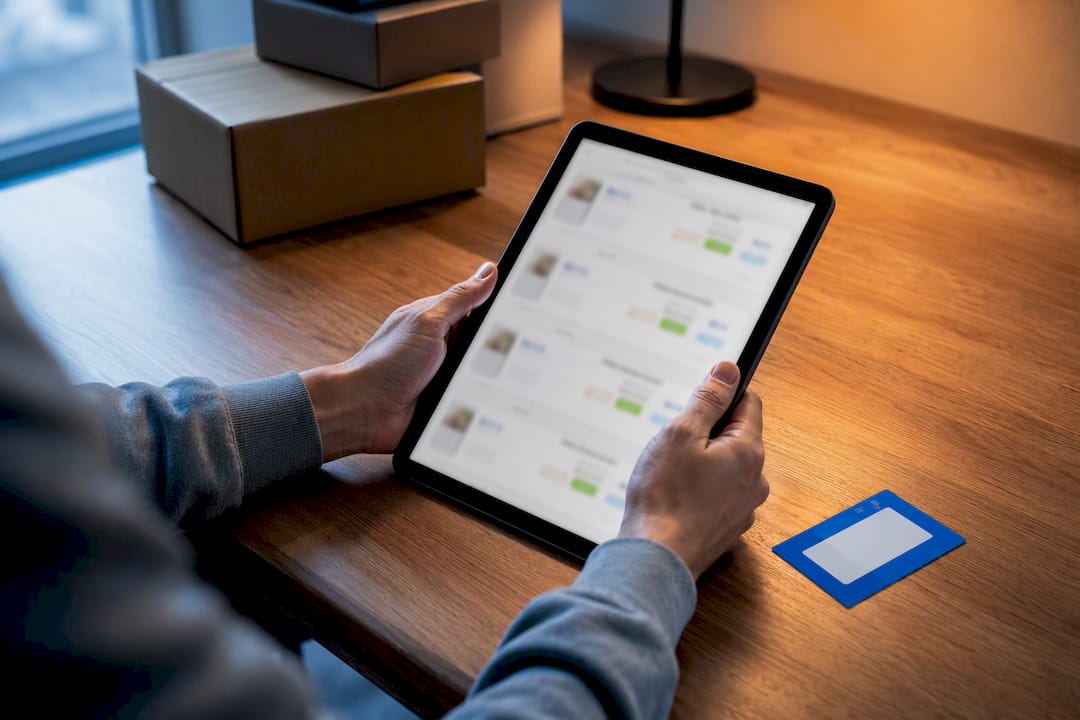
For products online, look in the specifications, technical details, manufacturer information, downloadable manuals, or product photographs.
Electronics and Computers
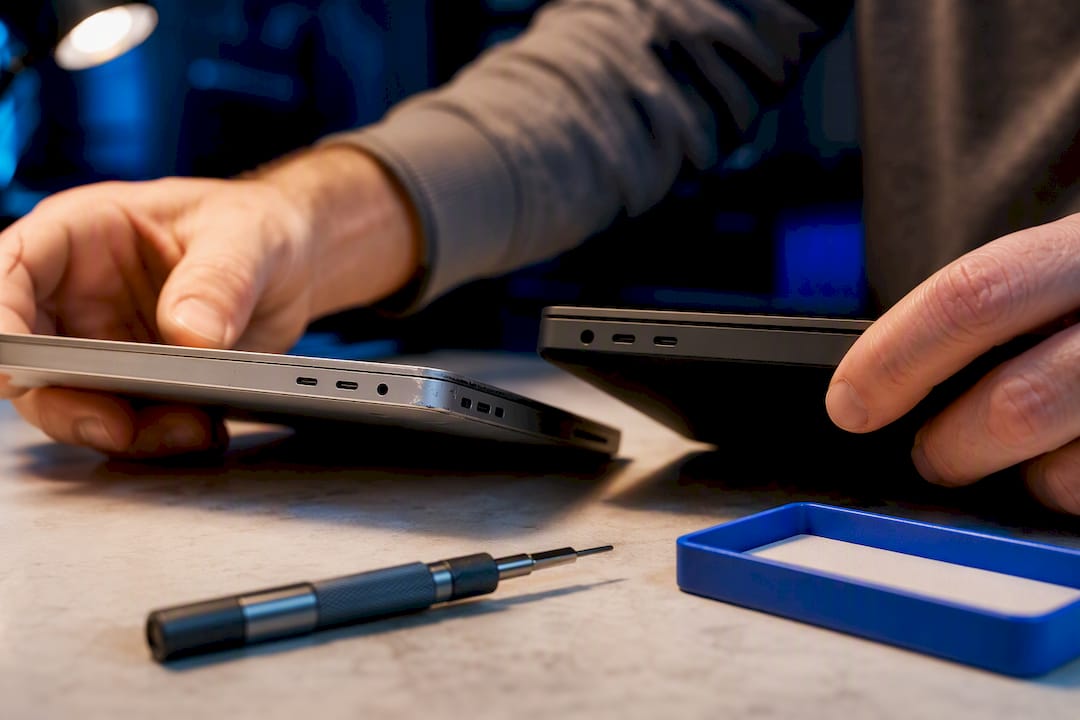
For laptops, check the underside of the computer or the system information provided by the operating system.
Phones and tablets often display detailed model information under Settings, About, or Regulatory Information.
TVs commonly have a manufacturer label on the rear panel. Monitors may place it near the inputs or stand mount.
Be careful not to confuse a product family with a complete model number. A name such as “Galaxy S24” identifies a product line, but additional model information can distinguish storage, regional, carrier, and hardware variants.
Appliances
Appliance model numbers are often placed somewhere accessible but out of normal sight.
For refrigerators, check the inside edge or wall near the door. Dishwasher labels are commonly found around the door frame. Washers and dryers may place them around the door opening, lid, or rear panel.
The complete model number becomes particularly important when purchasing replacement filters, racks, shelves, heating elements, or other parts. A seemingly insignificant suffix can identify a different revision or configuration.
Tools, Outdoor Equipment, and Home Products
Power tools commonly display their model number on the housing, nameplate, battery compartment, or original box.
Lawn equipment may have an identification tag near the engine, deck, frame, or handle assembly.
Furniture, lighting, and smaller household products may put the identifier on packaging, assembly instructions, or a label underneath the item.
If a label is missing or damaged, an owner's manual, purchase receipt, manufacturer account, or clear photograph may help identify the product.
Image search can also help narrow down a product family, but visual similarity alone should not be treated as proof of an exact match.
How to Find Model Numbers on Retailer Websites
Retailers don't organize product information consistently.
Start with the specifications or product-details section and look for terms such as:
Model, Model Number, MPN, Manufacturer Number, Item Model Number, or Manufacturer Part Number.
If you can't find one in the written information, inspect the product photographs. Packaging, compliance labels, or close-up images sometimes reveal a model number that isn't included in the listing description.
This can be especially useful with marketplace sellers, refurbished products, older inventory, and discontinued items.
Once you have the model number, try searching the manufacturer's name followed by the complete number.
For example:
Samsung RF29A9675AP/AA
A precise search like this can reveal listings from retailers using completely different product titles while selling the same item.
It can also expose an important problem in online shopping: the same product being resold elsewhere under different wording or at a significantly higher price.
Verify the Product Before Comparing Prices
Matching model numbers are extremely useful, but don't stop there.
Check the condition, included accessories, warranty, seller, shipping cost, and return policy before deciding that two offers are equivalent.
A $40 cordless drill without a battery isn't necessarily a better deal than a $65 package that includes two batteries, a charger, and a case.
Similarly, an inexpensive open-box television with a seller warranty shouldn't automatically be compared as equivalent to a brand-new television carrying the full manufacturer's warranty.
Watch for differences involving:
- New, used, refurbished, or open-box condition
- Manufacturer versus seller warranty
- Regional versions
- Included accessories
- Bundle contents
- Color or finish
- Shipping charges
- Return policies
For expensive purchases, consider confirming the model number from two independent places—for example, the retailer's specification table and the manufacturer's official product information.
If a seller's photographs, description, and listed model number don't agree, treat the listing cautiously.
Common Mistakes That Cause Bad Price Comparisons
One of the biggest mistakes is searching only by product name.
Product titles are written for humans and search engines, not necessarily for precise product identification. Retailers frequently add words such as “Pro,” “Premium,” “New Edition,” “Bundle,” or “Special Offer.”
Those descriptions can make two different products appear identical—or make the exact same product appear completely different.
Another common mistake is ignoring the end of a model number. Letters, numbers, hyphens, and suffixes may distinguish different generations, capacities, colors, voltages, or bundles.
Also watch for marketplace listings using phrases such as “compatible with,” “replacement for,” or “fits.”
A charger described as “for Model XYZ” is not necessarily the manufacturer's original Model XYZ charger. The model number may describe the product it supports rather than the item actually being sold.
That distinction matters enormously when comparing prices.
The cheapest result isn't a deal if it's the wrong product.
Model Numbers Make AI Price Search More Accurate
Price-comparison technology faces the same problem shoppers do: retailer titles are inconsistent.
One store may use the manufacturer's complete model number. Another may shorten it. A marketplace seller may fill the title with keywords. Another listing may describe a compatible replacement using the original product's model number.
That can make two different items look like a price match when they aren't.
AI Price Search compares offers across retailers and marketplaces to help shoppers find better prices. Providing an exact model number gives the search more precise information to work with and can reduce matches to similar-but-different products.
Instead of searching:
“65-inch Samsung TV”
searching an exact model number tells the system precisely which version you want.
The same approach is especially valuable for replacement chargers, computer components, automotive parts, appliance parts, power tools, electronics, and other products where a small difference in the identifier can mean a completely different item.
Save Model Numbers for Products You Own
Model numbers aren't useful only when buying something new.
Take a photo of the manufacturer's label on expensive electronics, appliances, tools, and equipment you already own. Keeping that information can save considerable time later when you need to find a replacement charger, filter, battery, belt, component, or accessory.
A precise product identifier turns a vague shopping search into a much more accurate comparison.
And when you're trying to find the best price, making sure you're comparing the exact same product is just as important as finding the lowest number on the screen.