























Home The Price LabEspañol
The Price Lab

Shopping Research & Price Trends

Original price analysis, retailer comparisons, and shopping insights — built from real product searches on AI Price Search.

The Price Lab

Price Lab 2.0BenchmarkOct 7, 2026

Price Lab: APS vs ShopSavvy — Softballs, Cleats & a Refurbished iPhone 16

ShopSavvy 2 — APS 1

A comparison engine that only tests searches it already handles well doesn't learn very much. This test produced two identity discoveries and a stronger APS engine.

Price Lab 2.0BenchmarkSep 26, 2026

Price Lab 2.0 — Strict Shipping Verification Run (September 26, 2026)

10 queries tested; 0 fake winners manufactured — all incomplete offers held at Provisional or No Qualifier

Unknown shipping is not free shipping, and an incomplete comparison is better than a fake winner. Here's what happened when we refused to manufacture winners from 10 fresh queries.

Price Lab 2.0BenchmarkSep 13, 2026

Price Lab 2.0 Benchmark: Sony WH-1000XM5 & Ninja AF101 (September 2026)

Bing finished 1st overall; AI Price Search 2nd

Bing Shopping finished first. AI Price Search finished second. Here's exactly what we got wrong — and what we're doing about it.

Price LabAug 31, 2026

How to Compare Product Prices Fast: The 30-Second Method

Compare 15+ retailers in a single search, ranked by total price

Checking prices across six browser tabs takes fifteen minutes and usually ends in guesswork. One AI-driven search does it in seconds — and ranks every retailer by the real total price, not just the sticker.

Price LabAug 31, 2026

The Future of AI Shopping Is Price-First

Price-first AI: verify, compare, rank by total cost

The first wave of AI shopping was about recommendations. The next wave is about price — verifying the exact product, comparing every retailer at once, and ranking by the true total cost.

Price LabAug 31, 2026

Shopping Intelligence Trends: The 2026 Guide

Six trends, one search: the 2026 shopping intelligence stack

Shopping intelligence is the data layer behind every smart purchase. Here are the six trends defining it in 2026 — and how they're converging into a single search experience.

Price LabAug 31, 2026

The Product Discovery Platform for Shoppers

Discover, verify, compare, monitor — in one search

A product discovery platform doesn't just recommend products — it identifies the exact item, verifies it across listings, and compares prices across every retailer in one pass.

Price LabAug 31, 2026

Best Tools for Price Monitoring: How to Track Prices and Never Overpay Again

One search checks 15+ retailers and ranks by total price

Price monitoring used to mean manually checking a dozen tabs every week. Today, AI-driven tools do it in seconds — and the best ones don't just track a price, they verify the listing is real and rank every retailer by the true total cost.

Price LabAug 31, 2026

Best Price Comparison Tool: How AI Finds the Lowest Price Every Time

Compare 15+ retailers in a single search

Not all price comparison engines are built the same. Here's what makes an AI-driven price comparison tool worth using — and how aipricesearch.com surfaces the cheapest verified listing across dozens of retailers in seconds.

Price LabAug 31, 2026

Your AI Search Companion for Smarter Price Comparison

AI that reads every listing before you do

A good shopping companion doesn't just hand you the first price they see. They check a few stores, flag the one that's suspiciously cheap, and tell you whether waiting two weeks for shipping is worth the savings. That's exactly what the AI on aipricesearch.com does.

Price LabAug 24, 2026

August Price Tracker: Amazon Leads in Value Across 153 Shopper Queries

Amazon emerged as the price leader this week, securing the lowest price in 42 out of 188 tracked retail instances.

Our analysis of 153 unique shopper intent signals this week reveals that Amazon dominates as the most frequent provider of the lowest price point.

Price LabAug 17, 2026

225 Product Searches Analyzed: Amazon Leads as Cheapest Retailer in 51% of Cases This Week

Amazon was the cheapest retailer in 51% of all analyzed product searches last week.

Amazon emerged as the cheapest retailer in over half of the analyzed product searches last week, according to new data.

Price LabAug 10, 2026

Amazon vs. Walmart: Price Leadership Across 182 Weekly Searches

Amazon emerged as the most frequent low-price leader, winning 71 out of 232 price comparisons tracked this week.

New data shows a tight race between retail giants as consumers pivot toward home comfort and high-tech essentials.

Price LabAug 5, 2026

Retailer Price Wars: AliExpress and Amazon Split the Lead in 184 Consumer Searches

AliExpress outperformed Amazon as the cheapest retailer by a margin of only two wins across 184 consumer product searches.

New data from the past week reveals a near-dead heat between retail giants for the lowest price point, even as shoppers prioritize big-ticket tech items.

Shopping Insights

Hidden Fees Online: Checklist for US Shoppers, FTC & CFPB Tips and AI

Hidden Fees Online: Checklist for US Shoppers, FTC & CFPB Tips and AI

Hidden Fees Online: Checklist for US Shoppers, FTC & CFPB Tips and AI ! Shopper reviewing final online checkout total Hidden fees typically show up at checkout as shipping, handling, taxes, order-protection add-ons, or service charges tacked onto a price that looked lower on the product page.

Oct 4, 2026

6 Trusted U.S. Online Retailers: Surveys, FTC Rights, and Price Checks

6 Trusted U.S. Online Retailers: Surveys, FTC Rights, and Price Checks

6 Trusted U. S.

Oct 3, 2026

Vet Shopping Extensions Fast: 6 Checks to Stop Data Harvesting

Vet Shopping Extensions Fast: 6 Checks to Stop Data Harvesting

Vet Shopping Extensions Fast: 6 Checks to Stop Data Harvesting ! Shopper checking browser extension permissions Yes, shopping extensions can be useful, but many carry real privacy risks unless you vet them carefully and limit how many you run.

Oct 2, 2026

U.S. Shoppers: Compare Bundle and Individual Pricing in 5 Minutes

U.S. Shoppers: Compare Bundle and Individual Pricing in 5 Minutes

U. S.

Oct 1, 2026

Save $5/Order With a $99 Plan: Shipping vs Pickup for U.S. Sellers

Save $5/Order With a $99 Plan: Shipping vs Pickup for U.S. Sellers

Save $5/Order With a $99 Plan: Shipping vs Pickup for U. S.

Sep 30, 2026

When Membership Beats Retail: 12 Month Test for Shoppers and Merchants

When Membership Beats Retail: 12 Month Test for Shoppers and Merchants

When Membership Beats Retail: 12 Month Test for Shoppers and Merchants ! Shopper deciding on retail membership Membership pricing beats retail when your expected 12-month savings on things you already buy, plus any perks you would actually use, add up to more than the membership fee once you subtract travel, storage, and impulse spending.

Sep 29, 2026

Track Prices Across Stores: FTC Cost Formula & Tools for U.S. Shoppers

Track Prices Across Stores: FTC Cost Formula & Tools for U.S. Shoppers

Track Prices Across Stores: FTC Cost Formula & Tools for U. S.

Sep 28, 2026

U.S. Shoppers: 4 Evidence Backed Steps to Beat Free Shipping Markups

U.S. Shoppers: 4 Evidence Backed Steps to Beat Free Shipping Markups

U. S.

Sep 27, 2026

Amazon Was Cheapest in 51% of Checks: MAP Pricing for U.S. Brands

Amazon Was Cheapest in 51% of Checks: MAP Pricing for U.S. Brands

Amazon Was Cheapest in 51% of Checks: MAP Pricing for U. S.

Sep 26, 2026

Match Products Across Stores in Under a Minute Using GTINs and AI

Match Products Across Stores in Under a Minute Using GTINs and AI

Match Products Across Stores in Under a Minute Using GTINs and AI ! Barcode scanned for product matching The most accurate way to match a product across stores is to compare unique product identifiers like GTIN, UPC, or MPN, since those codes point to one exact manufactured item.

Sep 25, 2026

Stop Overpaying, U.S. Shoppers: Compare Unit Prices by Total Cost

Stop Overpaying, U.S. Shoppers: Compare Unit Prices by Total Cost

Stop Overpaying, U. S.

Sep 24, 2026

U.S. Multi-Store Price Tracking Over $75: Live Checks Include Shipping

U.S. Multi-Store Price Tracking Over $75: Live Checks Include Shipping

U. S.

Sep 24, 2026

AI Price Matching Across U.S. Online Stores

AI Price Matching Across U.S. Online Stores

$212 Average Savings: AI Price Matching Across U. S.

Sep 22, 2026

85.7M vs 75.9M: Black Friday vs Cyber Monday for Cyber Week Buyers

85.7M vs 75.9M: Black Friday vs Cyber Monday for Cyber Week Buyers

85. 7M vs 75.

Sep 21, 2026

4 Moves to a Working Price Alert: Google, Page Monitors, Brokers

4 Moves to a Working Price Alert: Google, Page Monitors, Brokers

4 Moves to a Working Price Alert: Google, Page Monitors, Brokers ! Hands configuring a retail price alert Pick the fastest tool for what you're tracking: use a retailer's built-in tracker or Google's Track price button for a single product, a URL-based page monitor for anything else, and your broker's app for stocks or crypto.

Sep 20, 2026

Savings for US Buyers: Factory Direct vs Retail, 5 Steps

Savings for US Buyers: Factory Direct vs Retail, 5 Steps

$212 Average Savings for US Buyers: Factory Direct vs Retail, 5 Steps ! Anonymous cartons representing two buying routes Factory-direct pricing often looks like the cheaper option on paper, but it doesn't always win once you add shipping, taxes, assembly, and return costs into the total.

Sep 19, 2026

Estimate U.S. Sales Tax on Online Purchases in 15 Seconds (ZIP, 2026)

Estimate U.S. Sales Tax on Online Purchases in 15 Seconds (ZIP, 2026)

Estimate U. S.

Sep 18, 2026

Spot Dropshipping Sellers Fast: 3 Checks or an AI Scan

Spot Dropshipping Sellers Fast: 3 Checks or an AI Scan

Spot Dropshipping Sellers Fast: 3 Checks or an AI Scan ! Shopper manually checking an online seller listing The fastest way to spot dropshipping sellers is to check three things at once: run a reverse image search on the product photo, look for shipping windows longer than two weeks, and compare the price against what the item sells for on Amazon or the manufacturer's own site.

Sep 17, 2026

8 Step Checklist to Verify Factory Direct Sellers and Prices

8 Step Checklist to Verify Factory Direct Sellers and Prices

8 Step Checklist to Verify Factory Direct Sellers and Prices ! Auditor checking a factory shipment seal Yes, factory-direct sellers can be legitimate, and they routinely undercut retail prices by a wide margin.

Sep 16, 2026

Stop Overpaying: Track iPhone Prices by SKU and Set 8% to 12% Alerts

Stop Overpaying: Track iPhone Prices by SKU and Set 8% to 12% Alerts

Stop Overpaying: Track iPhone Prices by SKU and Set 8% to 12% Alerts ! Hands filtering an abstract price dashboard To know an iPhone's real market price right now, match the exact SKU (model, storage, carrier status), then compare recent completed sales against current asking prices rather than trusting the listing price alone, since completed sales are the stronger signal.

Sep 15, 2026

U.S. Shopper Playbook Using Price Trackers

U.S. Shopper Playbook Using Price Trackers

U. S.

Sep 14, 2026

Shoppers, Avoid 5–10x Markups: Spot Dropshipping Markups in 90 Seconds

Shoppers, Avoid 5–10x Markups: Spot Dropshipping Markups in 90 Seconds

Shoppers, Avoid 5–10x Markups: Spot Dropshipping Markups in 90 Seconds ! Shopper checking online prices across sellers A dropshipping markup is the extra amount a seller tacks onto a product's actual factory or supplier price before it reaches your cart, often several times above cost.

Sep 13, 2026

Retailers' Free Shipping Thresholds: 30% Above AOV, Margin Safe Floor

Retailers' Free Shipping Thresholds: 30% Above AOV, Margin Safe Floor

Retailers' Free Shipping Thresholds: 30% Above AOV, Margin Safe Floor ! Parcel being weighed at fulfillment station Set your free shipping threshold at 30% above your current average order value, then cross-check that number against a margin-safe floor calculated as your all-in shipping cost divided by gross margin percentage.

Sep 12, 2026

 Compare Total Price with AI or Worksheet for Buyers

Compare Total Price with AI or Worksheet for Buyers

Compare Total Price with AI or Worksheet for Buyers ! Shopper comparing checkout totals on tablet The number on the product page is not what you pay.

Sep 11, 2026

No Installs: Check Amazon Price History for 30, 90, and 365 Days

No Installs: Check Amazon Price History for 30, 90, and 365 Days

No Installs: Check Amazon Price History for 30, 90, and 365 Days ! Desktop browser showing blurred price history chart Amazon's own Price History tool, tucked into the product page or accessible by asking Alexa for Shopping, gives you 30, 90, and 365 days of pricing data with zero installs.

Sep 11, 2026

10 Minute Checklist: Verify an Online Seller, Start with Price Search

10 Minute Checklist: Verify an Online Seller, Start with Price Search

10 Minute Checklist: Verify an Online Seller, Start with Price Search ! Shopper checking an online seller profile Before you pay: check the seller's identity, use a protected payment method, and scan recent reviews for complaint patterns.

Sep 10, 2026

Price First: Marketplace vs Retailer, Checklist and Five Minute Seller Vet

Price First: Marketplace vs Retailer, Checklist and Five Minute Seller Vet

Price First: Marketplace vs Retailer, Checklist and Five Minute Seller Vet ! Shopper comparing anonymous online offers For low-risk, low-cost items, buy from whichever marketplace seller has the strongest track record and lowest all-in price.

Sep 9, 2026

Five Minute Fake Review Check: 10 Red Flags and AI Aware Price Test

Five Minute Fake Review Check: 10 Red Flags and AI Aware Price Test

Five Minute Fake Review Check: 10 Red Flags and AI Aware Price Test ! Shopper comparing reviews and prices The fastest reliable method: scan the top reviews for three red flags (timing clusters, repeated phrasing, and thin reviewer profiles), then verify one suspicious review by clicking the reviewer's name and cross-checking it on another site.

Sep 7, 2026

Save on Big Buys: How to Avoid Dynamic Pricing and When It's Worth It

Save on Big Buys: How to Avoid Dynamic Pricing and When It's Worth It

Save on Big Buys: How to Avoid Dynamic Pricing and When It's Worth It ! Shopper comparing online prices on phone The fastest way to avoid dynamic pricing is to strip away the data retailers use to profile you (private browsing, cleared cookies, a different device or network), then compare prices across sites before you buy.

Sep 6, 2026

Save 30–70%: Refurbished vs New Electronics, Warranty Checklist + AI

Save 30–70%: Refurbished vs New Electronics, Warranty Checklist + AI

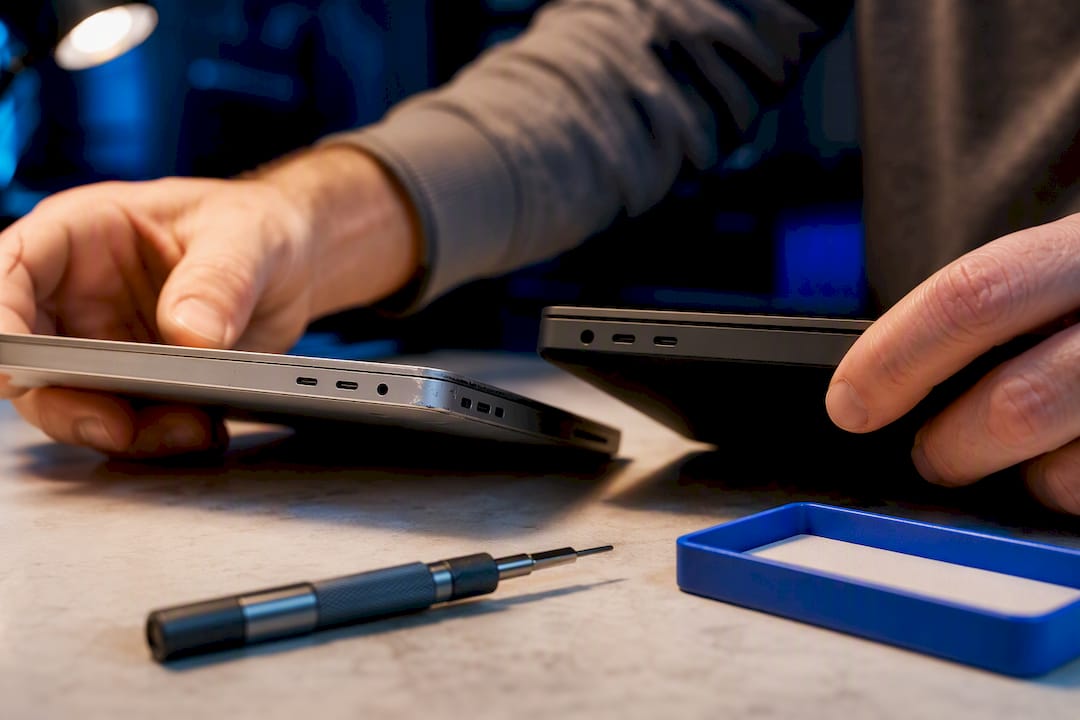
Save 30–70%: Refurbished vs New Electronics, Warranty Checklist + AI ! Hands inspecting anonymous refurbished electronics For most budget-conscious shoppers, certified refurbished electronics deliver the same everyday performance as new models for 30 to 70% less, and that gap holds across phones, laptops, and headphones.

Sep 5, 2026

Build a Smart, Shareable Shopping List With AI Tracking

Build a Smart, Shareable Shopping List With AI Tracking

Build a Smart, Shareable Shopping List With AI Tracking ! Shoppers reviewing a shared shopping list A smart shopping list pairs live price comparisons across retailers with price history and alerts you control, so you buy at a real low instead of a marketing deadline.

Sep 4, 2026

3 Refurbished Warranty Signals: Backing, Duration, Claims

3 Refurbished Warranty Signals: Backing, Duration, Claims

3 Refurbished Warranty Signals: Backing, Duration, Claims ! Inspecting warranty materials beside refurbished device The three things that matter most when you compare refurbished warranties are who backs the coverage, exactly how long it runs and when it starts, and how the claims process actually works.

Sep 3, 2026

US Shoppers: Compare Retailers First With Price Tracking vs Alerts

US Shoppers: Compare Retailers First With Price Tracking vs Alerts

US Shoppers: Compare Retailers First With Price Tracking vs Alerts ! Shopper comparing prices beside delivery cartons Use price tracking when you can wait for a better deal and price alerts when you need to buy soon or confirm today's price is fair.

Sep 2, 2026

US Shoppers, Save $Track Price History with AI Alerts

US Shoppers, Save $Track Price History with AI Alerts

US Shoppers, Save $212: Track Price History with AI Alerts ! Shopper reviewing a price history chart The fastest way to track price history is to open the product page and check for a built-in price-history widget or your browser's shopping insights panel.

Sep 1, 2026

Track LEGO Prices by SKU and Landed Cost to Avoid Overpaying

Track LEGO Prices by SKU and Landed Cost to Avoid Overpaying

Track LEGO Prices by SKU and Landed Cost to Avoid Overpaying ! Anonymous set carton beside price tracking tools The fastest way to track LEGO prices is with an AI-backed price comparison tool that matches the exact set number across retailers and sends alerts the moment your target price hits.

Aug 31, 2026

When to Buy Electronics Month by Month in the US

When to Buy Electronics Month by Month in the US

Save $212 on Average: When to Buy Electronics Month by Month in the US ! Shopper comparing electronics sale timing Buy TVs and general electronics during Black Friday/Cyber Monday, laptops in August, and last year's phone once the new model ships in September.

Aug 31, 2026

US Shoppers: Check Sellers and Landed Cost to Outsmart Dynamic Pricing Online

US Shoppers: Check Sellers and Landed Cost to Outsmart Dynamic Pricing Online

US Shoppers: Check Sellers and Landed Cost to Outsmart Dynamic Pricing Online ! Shopper comparing prices across online retailers Online prices change constantly, sometimes multiple times a day, based on demand, inventory, and even who's browsing.

Aug 30, 2026

Total Cost AI Proves the Real Online Lowest Price Guarantee

Total Cost AI Proves the Real Online Lowest Price Guarantee

Total Cost AI Proves the Real Online Lowest Price Guarantee ! Shopper comparing online checkout totals A genuine lowest price guarantee online isn't a store promising to match a competitor's ad.

Aug 30, 2026

Shop by Photo, Then Let AI Price Search Find the Best US Price

Shop by Photo, Then Let AI Price Search Find the Best US Price

Shop by Photo, Then Let AI Price Search Find the Best US Price ! Shopper photographing jacket for visual search Yes, you can find and buy an item straight from a photo.

Aug 29, 2026

Budget Shoppers: Compare Prices With Shipping Using a Short Worksheet

Budget Shoppers: Compare Prices With Shipping Using a Short Worksheet

Budget Shoppers: Compare Prices With Shipping Using a Short Worksheet ! Hands filling price comparison worksheet at desk The cheapest listing on your screen is rarely the cheapest thing you'll actually pay for.

Aug 28, 2026

Save $212/Month: Automate Comparing Prices Online for US Shoppers

Save $212/Month: Automate Comparing Prices Online for US Shoppers

Save $212/Month: Automate Comparing Prices Online for US Shoppers ! Hands holding smartphone at home desk The fastest reliable way to compare prices online is to run a targeted price search alongside a price tracker, not to check five tabs by hand.

Aug 27, 2026

More Shopping Reads

How to Verify Seller Legitimacy Fast

How to Verify Seller Legitimacy Fast

A price that looks 30% lower than every other listing is not automatically a win. It might be a smart deal, a liquidation sale, or a shortcut to a refund dispute. If you want to know how to verify seller legitimacy before you check out, the fastest approach is to compare signals, not rely on one clue.

Most shoppers waste time on the wrong checks. They look at the star rating, skim two reviews, and stop there. That can work when a seller is well established, but it breaks down with newer stores, marketplace listings, or products that attract counterfeits. A better method is to treat legitimacy like a data problem. You want enough consistent evidence to make a confident purchase decision.

How to verify seller legitimacy without slowing down

The goal is not to investigate every seller like an auditor. The goal is to filter out obvious risk in a few minutes. Start with the listing itself, then confirm the seller identity, then test whether the business details line up across the marketplace.

First, compare the price against the market. If one seller is dramatically below the pack, ask why. Sometimes the answer is simple - open-box inventory, older packaging, or a temporary promotion. But if the discount is unusually deep and nothing in the listing explains it, that is a risk signal, not a bargain signal. Legitimate sellers usually compete within a believable range.

Next, read the product listing for structure and consistency. Clean product data, accurate specifications, clear shipping timelines, and return details usually indicate that the seller understands the platform and maintains their catalog. Sloppy titles, conflicting specs, generic images, or copy that does not match the product category can suggest low-quality operations or copied listings.

Then check whether the seller identity is complete. A legitimate seller usually has a visible business name, contact method, shipping origin, and stated policies. Missing basics do not always mean fraud, but they reduce accountability. The less traceable a seller is, the more cautious you should be.

The signals that matter most

Reviews still matter, but they matter in context. A 4.8 rating based on 12 reviews is different from a 4.6 rating across 8,000 orders. Volume, recency, and detail tell you more than the headline number. Look for review patterns that mention shipping speed, packaging quality, returns, and whether buyers received the exact item advertised.

Pay attention to negative reviews, but read them efficiently. If complaints are mostly about carrier delays during peak season, that is different from repeated reports of wrong items, used merchandise sold as new, or refunds that never arrived. One bad month is not the same as a persistent operational problem.

Seller age is another useful signal. A newer seller is not automatically suspicious, especially on a growing marketplace. But a new account offering high-demand products at unusually low prices should face a higher standard of scrutiny. In that situation, you want stronger evidence from verified reviews, policy clarity, and marketplace protections.

Policy quality matters more than many buyers think. Real sellers usually have readable return windows, refund rules, shipping estimates, and condition notes. Vague language like “all sales final” on products where returns are normally expected should make you pause. So should policies that shift every risk to the buyer without explaining support steps.

How to verify seller legitimacy on a marketplace

Marketplaces add convenience, but they also create a layer between you and the business. That makes platform signals especially important. If the marketplace labels sellers with verified business information, fulfillment status, response rates, or on-time shipping performance, use those filters. Structured seller data is one of the fastest ways to reduce risk.

Check whether the seller has a consistent presence across multiple listings. Legitimate sellers tend to show repeatable patterns - similar branding, coherent categories, stable pricing logic, and professional product information. Scam listings often look isolated, inconsistent, or disconnected from a broader catalog.

It also helps to compare the seller against the manufacturer information shown on the product page when available. If a seller claims to offer authorized products, but the listing lacks any indication of manufacturer alignment, warranty details, or standard packaging notes, that is worth questioning. This matters even more for electronics, tools, beauty items, and replacement parts.

A platform like aipricesearch can speed this up because comparison data gives you context. When you can view organized offers side by side, outliers become easier to spot. That does not replace judgment, but it helps you see whether a listing fits the market or sits far outside it.

Red flags that deserve immediate caution

Some warning signs are strong enough to stop the purchase unless you can verify more details quickly. One is pressure. If a seller pushes urgency through unusual messages, asks you to complete the transaction outside the platform, or offers a better deal if you skip normal checkout, walk away. Moving payment off-platform removes many of the protections that make marketplace buying safer.

Another major red flag is inconsistent business information. If the seller name on the listing does not match the store profile, support email, or return address, you need an explanation. There are legitimate reasons for parent companies and fulfillment partners, but those relationships should be understandable.

Poor communication is also telling. A legitimate seller may not respond instantly, but they should answer basic product and policy questions clearly. Evasive replies, canned answers that ignore your question, or aggressive language often signal trouble later if you need support.

Be cautious with listings that use stock photos only, especially for products where condition matters. For new, standardized products, stock images are normal. For refurbished, open-box, collectible, or limited inventory items, you should expect condition-specific details. If the seller avoids showing what you will actually receive, your risk goes up.

When low prices are legitimate and when they are not

Not every cheap listing is suspicious. Some sellers operate with lower overhead, use marketplace promotions, or clear excess inventory. Others bundle shipping differently or accept thinner margins to gain traction. A lower price becomes more credible when the seller also shows solid reviews, clear policies, complete business details, and realistic delivery estimates.

What makes a low price risky is not the number by itself. It is the mismatch between price and supporting signals. If the item is far below market and the seller profile is thin, the return policy is vague, and the listing quality is poor, those issues stack. One weak signal may be explainable. Four weak signals usually are not.

This is where shoppers often make the wrong trade-off. Saving an extra $12 is rarely worth a failed delivery, counterfeit item, or week-long refund process. The best deal is the lowest credible total cost, not just the lowest number on the page.

A fast decision framework for buyers

If you want a practical workflow, use three tiers. In the first minute, compare price, seller rating, and listing quality. If all three look normal, move to tier two and check return policy, shipping estimate, and review detail. If something still feels off, use tier three and verify business identity, response quality, and whether the seller appears established across the marketplace.

This approach keeps you from overchecking low-risk purchases while giving you a path for higher-risk ones. It also works better than single-rule thinking. For example, “never buy from a new seller” is too rigid. A new seller with complete profile data, accurate listings, platform-backed fulfillment, and clear policies may be a reasonable choice. An old seller with declining reviews and inconsistent service may not be.

The right level of caution depends on the product. For commodity items with strong payment protection, you can move faster. For expensive electronics, branded goods, health-related items, or products with frequent counterfeits, slow down and verify more.

What smart verification really looks like

How to verify seller legitimacy is really about reducing uncertainty with the fewest possible checks. You are not trying to prove a seller is perfect. You are trying to confirm that the business behaves like a real, accountable merchant inside a visible marketplace structure.

That means looking for alignment. The price should fit the market. The listing should fit the product. The seller profile should fit the policies. The reviews should fit the performance claims. When those pieces line up, confidence goes up quickly. When they do not, the cheapest option can become the most expensive mistake.

A good buying habit is simple: trust patterns, not promises. That mindset will save you more money than chasing one more discount ever will.