



























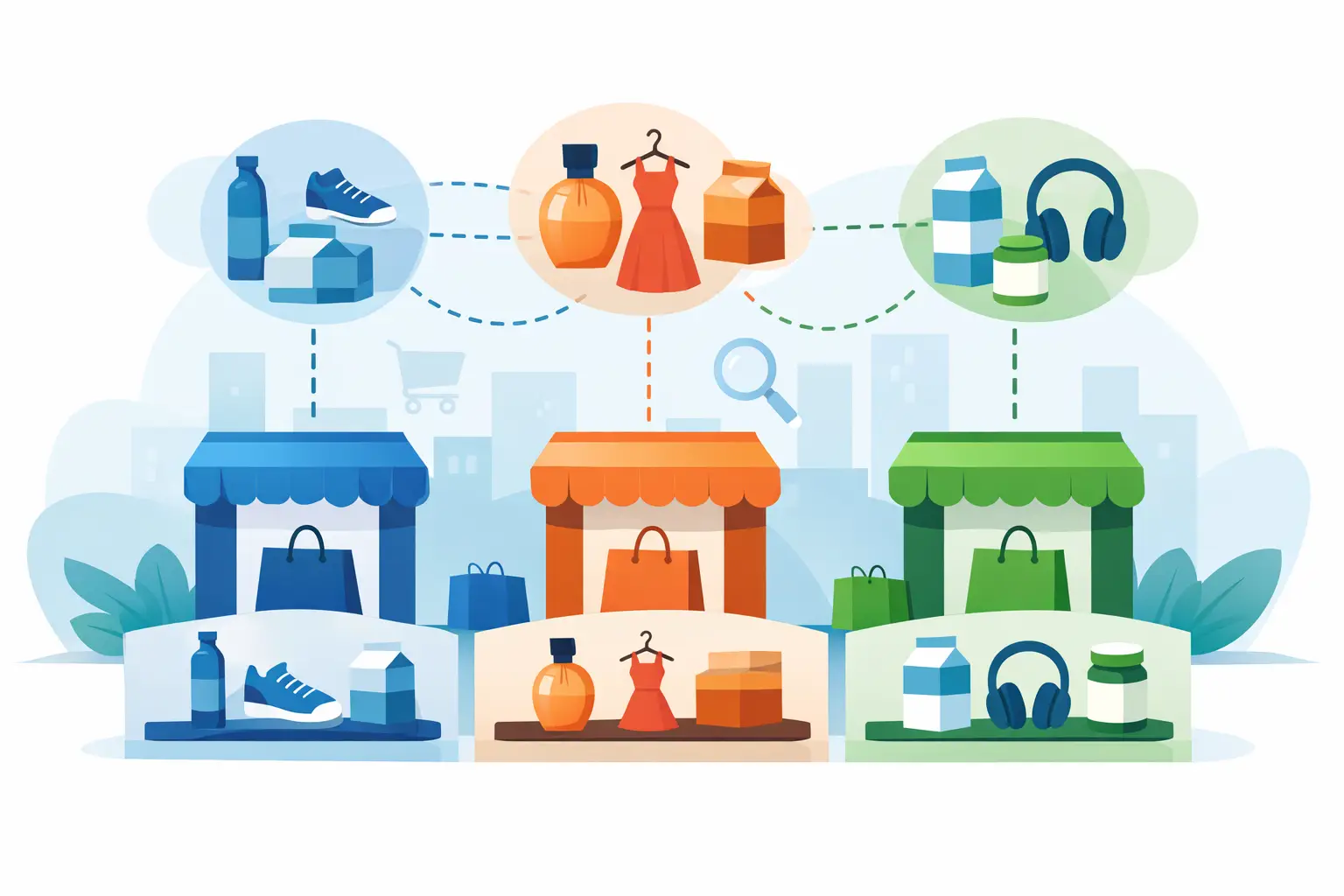
You can search the exact same product on five stores and get five different answers on price, shipping, stock, and even what is actually included in the box. That is the real answer behind how much do products vary by store: often more than shoppers expect, and not just in dollar terms.
For online buyers, the difference is rarely as simple as one retailer being cheap and another being expensive. Stores make different decisions about markup, promotions, fulfillment, bundles, seller fees, and return handling. If you only compare the sticker price, you can still end up paying more.
How much do products vary by store in practice?
Product variation by store usually shows up in four areas: price, total purchase cost, product configuration, and buying conditions. A laptop might be listed at one price on a major marketplace, a lower price on a specialty electronics seller, and a slightly higher price from a direct brand storefront. But once you add shipping, taxes, delivery speed, warranty terms, or included accessories, the lowest displayed price may no longer be the best deal.
This is especially common in categories with frequent repricing. Consumer electronics, appliances, office equipment, beauty products, and branded household items can change by the hour or by the day. A store may react to competitor pricing automatically, while another updates manually. That gap creates real variation even when both retailers are selling the exact same item.
Some categories vary less. Books with fixed editions, commodity basics, or low-margin essentials may stay fairly close across stores. Even then, differences can still appear in shipping thresholds, membership discounts, or multipack offers.
Why the same product gets priced differently
Retailers do not all operate on the same cost structure. One store may negotiate better wholesale pricing, another may accept thinner margins to win volume, and another may price higher because it offers better support or faster shipping. A marketplace seller also has to account for platform fees, advertising costs, and fulfillment charges, which can push its price above what a direct seller can offer.
There is also the issue of dynamic pricing. Many stores use software to adjust prices based on demand, inventory, competitor activity, location, or time of day. If a product is trending, stock is tight, or a competitor goes out of inventory, prices can move fast. This is one reason shoppers see inconsistent results when they check multiple sites over several hours.
Promotional strategy matters too. One retailer may run a visible discount, while another keeps the list price higher but offers a coupon at checkout. A third may bundle the item with accessories to protect margin without looking more expensive on the main listing. All three are competing, but they are doing it differently.
Store-to-store variation is not just about price
A product listing can look identical at first glance and still represent a different offer. This is where many shoppers lose money.
Included accessories are a common example. One seller may include a charger, cable, case, or installation kit, while another lists only the base product. The cheaper option may require extra add-on purchases that erase the savings.
Condition is another factor. New, open-box, refurbished, and renewed items are often grouped closely in search results. If you are comparing stores quickly, it is easy to miss that the lower-priced offer is not in the same condition as the higher-priced one.
Model variations also create confusion. A TV may look identical across listings, but one version could have less storage, fewer ports, or a region-specific package. In apparel and consumables, pack size, count, or formula changes can make price comparisons misleading unless you normalize for unit value.
How much do products vary by store after shipping and fees?
This is where the real spread often appears. A store with the lowest shelf price can become the highest total cost once shipping, service fees, or delivery minimums are added. Heavy items, oversized products, and expedited delivery options create especially large swings.
Membership models also change the math. A shopper with a retail subscription may see free shipping and member pricing that another shopper does not. That means the answer to how much products vary by store can depend partly on who is shopping, not just where they shop.
Taxes can add another layer, especially for business buyers comparing vendors across jurisdictions or trying to evaluate total procurement cost. For repeat purchases, a small per-order shipping difference can become a major budget issue over time.
Return costs matter as well. If one store charges return shipping or restocking fees and another offers easy returns, the slightly higher upfront price may actually be the safer buy. This is important for products where fit, compatibility, or performance are uncertain.
Why availability changes the best deal
Price is only useful if the item is actually available. Stores vary in how they manage inventory visibility, backorders, and lead times. One retailer may show the product in stock but ship in ten days. Another may show fewer units but deliver tomorrow. If timing matters, those are not equivalent offers.
Scarcity can also trigger pricing changes. When inventory drops, some stores raise prices to protect stock or improve margin. Others discount aggressively to clear remaining units before a new model arrives. The same product can move in opposite directions depending on where it sits in each seller's inventory cycle.
This is why comparison should include stock status and delivery estimate, not just listed price. For many shoppers, speed has a cost value of its own.
The biggest reasons shoppers misread store differences
The most common mistake is comparing titles instead of specifications. Product names are often shortened, inconsistent, or optimized for search rather than clarity. A close match is not always an exact match.
Another issue is focusing on list price instead of total value. If one listing includes a manufacturer warranty and another does not, they are not equal. The same applies to bundles, seller ratings, and fulfillment reliability.
Many buyers also compare at one moment in time and assume the market is stable. It often is not. Prices shift, coupons expire, and inventory changes. A product that was cheapest this morning may not be cheapest tonight.
How to compare products across stores without wasting time
Start with the exact product identifier when possible. Model number, UPC, storage size, color, count, and condition are more reliable than product title alone. If those details do not match, it is not a clean comparison.
Then calculate the full buy price. Include shipping, service fees, and any add-ons needed to make the product usable. If a cheaper listing requires a separate accessory purchase, factor that in immediately.
Next, check the buying conditions. Delivery date, return window, warranty coverage, and seller quality can justify paying slightly more. The lowest-cost mistake is still a mistake.
Finally, compare timing. If prices move often in that category, it helps to use a structured comparison platform instead of opening multiple tabs and trying to track changes manually. Tools that organize store data in one place make it easier to spot real differences fast, which is the core reason many shoppers use platforms like aipricesearch.
When product variation matters most
The impact is largest when the item has a high price, high shipping cost, fast-moving inventory, or multiple configurations. Electronics are the obvious example, but office purchases, bulk household goods, fitness equipment, auto accessories, and beauty bundles can also vary widely by store.
Variation matters less when the product is standardized, low-cost, and easy to replace. Even then, repeated overspending adds up. Saving $3 once is minor. Saving $3 across frequent purchases over a year is not.
Business buyers should pay even closer attention. Procurement decisions often involve larger quantities, repeat orders, and stricter delivery requirements. In those cases, comparing only unit price can lead to poor vendor selection.
What smart shoppers should take from this
Yes, products can vary a lot by store, but the biggest differences are not always visible in the first search result. The real comparison is product match, total cost, seller terms, and delivery outcome together.
If your goal is to buy efficiently, do not ask only who is cheapest. Ask whether the offers are truly equivalent and whether the final cost matches the value you are getting. That extra minute of comparison usually saves more than it costs.