






















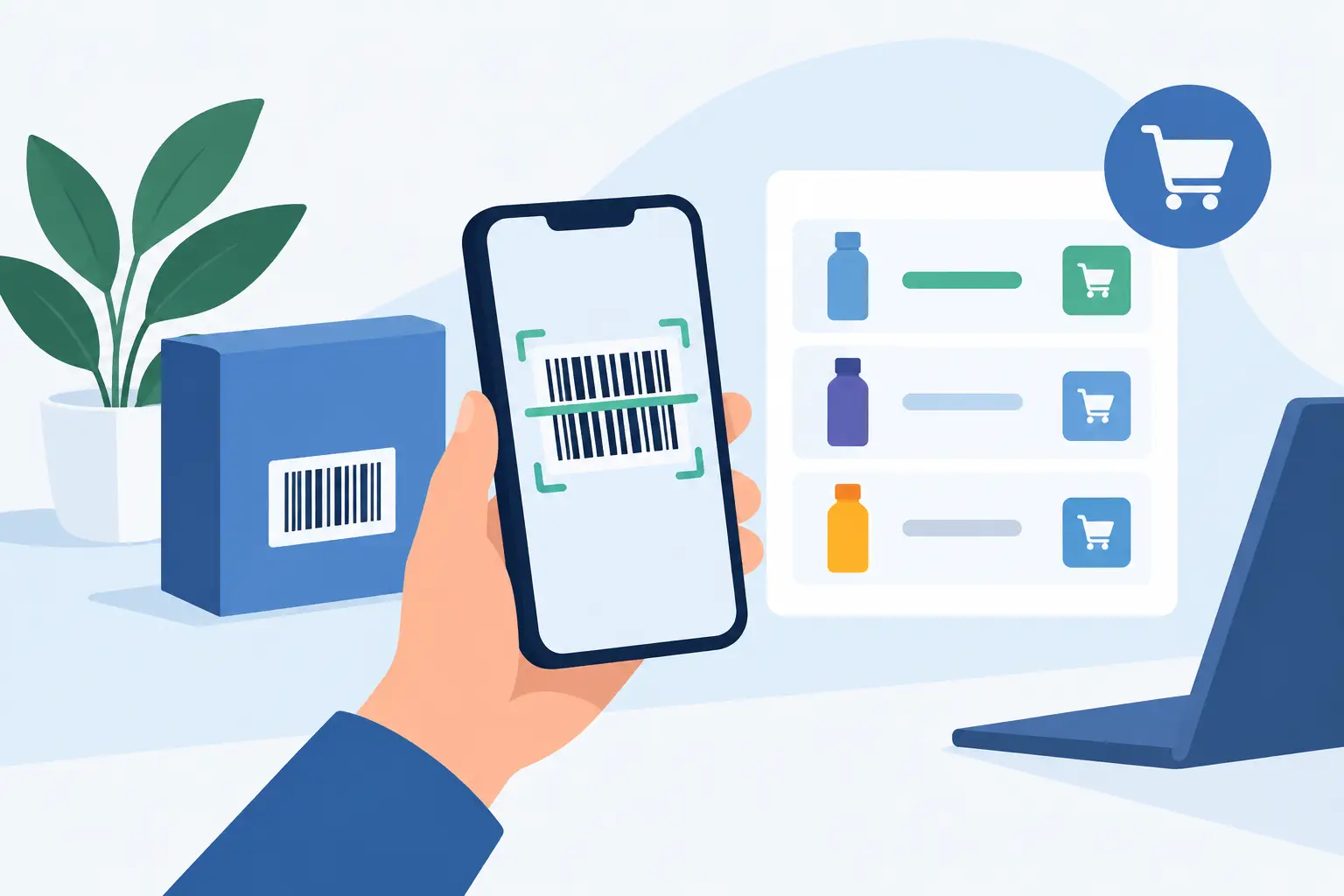
A barcode can turn a vague shopping search into a specific product match in seconds. Barcode lookup tools help shoppers identify the item behind a UPC, EAN, or GTIN, then use that information to compare listings, confirm product details, and avoid paying for the wrong version.
For US shoppers, the value is simple: instead of searching a long product title that varies by retailer, start with the identifier printed on the box, label, or listing. A good lookup can reveal the manufacturer, model, size, color, and category. It can also show whether two offers that look similar are actually the same item.
What Barcode Lookup Tools Actually Do
A barcode is a machine-readable representation of an identifier. For consumer products, that identifier is often a Universal Product Code, or UPC. Many international products use an EAN, while GTIN is the broader term that covers UPCs, EANs, and related formats.
Barcode lookup tools search databases connected to those identifiers. Depending on the data source, a result may include a product name, brand, image, dimensions, category, model number, and retailer listings. Some tools are built mainly for inventory management; others focus on shopping research and price comparison.
The distinction matters. Finding a barcode record does not automatically mean you have found the best current price. Product identification and price discovery are related tasks, but they require different data. A database may correctly identify a blender yet show outdated pricing, incomplete retailer coverage, or no information about shipping costs.
The most useful workflow is to use the barcode to establish exactly what the product is, then compare current offers from multiple sellers. This reduces the risk of comparing a base model on one site with a bundle, refurbished unit, or newer revision on another.
When a Barcode Search Saves Time
Barcode searches are especially effective when product names are inconsistent. Retailers often shorten titles, reorder details, or use their own merchandising language. Marketplace sellers may add promotional terms that make ordinary search results harder to sort.
A barcode can cut through that variation for products such as electronics, beauty items, packaged household goods, books, toys, office supplies, and many branded accessories. Scan or enter the number, confirm the matching attributes, and use the details to widen your price search.
They are also useful after you see an item in a store. If the box has a readable UPC, you can check whether the same product is sold elsewhere and whether another retailer has a lower delivered price. This is helpful for purchases where a small difference per unit adds up, including replenishable supplies, business purchases, and multi-item orders.
For marketplace shoppers, the barcode provides another layer of verification. A listing with a familiar product photo may not match the exact item in the package. Comparing the barcode, manufacturer part number, quantity, and specifications gives you a more reliable basis for evaluating the offer.
The Limits of Barcode Data
A barcode is useful, but it is not a complete product truth system. Shoppers should treat lookup results as a starting point for verification, not a final purchase decision.
One common issue is variation. A different color, size, scent, capacity, or pack count may have its own UPC. A 12-count product is not directly comparable with a single unit, even if the photos and product names are nearly identical. For consumables, calculate the cost per ounce, count, or unit before choosing a deal.
Bundles create another challenge. A retailer may package an item with an accessory, warranty, sample, or bonus product under a separate identifier. That offer can be worthwhile, but it should not be compared solely against the standalone item’s price.
Product records can also be incomplete or incorrect. Brands change packaging, marketplace sellers reuse generic descriptions, and data providers may lag behind new product releases. If the title, image, or specifications do not align with the item in front of you, pause before assuming the match is correct.
Finally, a barcode cannot tell you everything about the seller. It does not confirm shipping speed, return rules, warranty coverage, condition, or whether an offer is actually in stock. Those details can change the value of a low headline price.
How to Use Barcode Lookup Tools for Better Comparisons
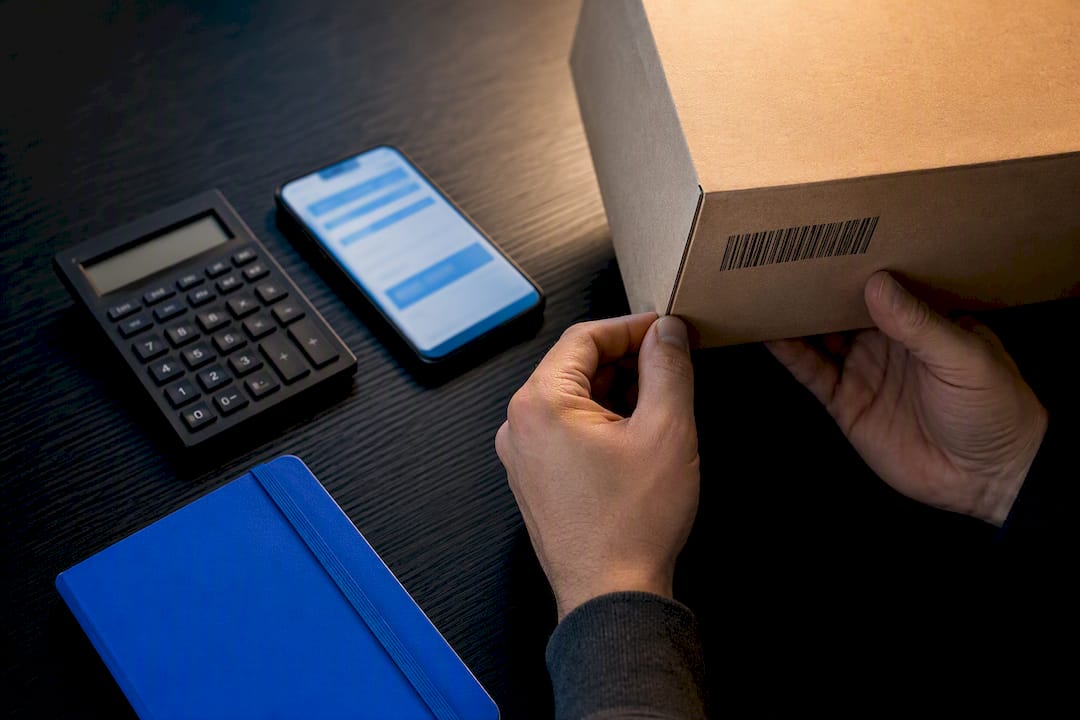
Start by locating the full numeric code. On most retail packaging, it appears below the barcode. Entering the number manually can be more accurate than scanning when glare, wrinkles, or small labels interfere with a phone camera. Remove spaces and double-check each digit if the result looks wrong.
Next, confirm the product identity before comparing prices. Look for the brand, exact model, item size, count, color, and version. For electronics and appliances, match the manufacturer part number as well. That number is often more specific than a broad product name and can help distinguish regional or retailer-exclusive variations.
Then search for current offers. Compare the item price, shipping cost, taxes where visible, expected delivery date, return terms, and seller reputation. If an offer comes from a marketplace seller, check whether the condition is new, open-box, used, or refurbished. A lower price only matters if the total purchase terms meet your needs.
For repeat purchases, record the barcode and the best acceptable delivered price. This gives you a useful benchmark when prices change. A shopping list can also keep items organized by priority, quantity, and target cost, rather than forcing you to repeat the same research each time.
AI Price Search can support this workflow by organizing product and retailer data in one comparison process. The barcode helps establish the product match, while broader shopping research helps reveal competing offers, including conventional retail and factory-direct marketplace sources when relevant.
Use More Than One Identifier When It Matters
The barcode is usually the fastest starting point, but it should not be the only field you check for higher-cost or technical purchases. Pair it with the manufacturer part number, model number, and key specifications.
This is particularly important for laptops, phones, power tools, cameras, auto parts, replacement filters, and compatible accessories. A single character in a model number can indicate different storage, voltage, fitment, included components, or generation. A barcode result that looks close is not enough when compatibility is essential.
For beauty, food, and household products, focus on net quantity and formulation. A familiar brand name does not mean two items are interchangeable. Concentration, scent, ingredient changes, refill format, and pack size can all affect both value and suitability.
Watch for Resold and Factory-Direct Products
Barcode research can expose another pricing pattern: the same or substantially similar product may appear across retail and marketplace channels at very different prices. This is common with generic accessories, home goods, storage products, pet supplies, and small gadgets.
That does not automatically make the lowest-priced source the right choice. Retailers may offer faster delivery, easier returns, domestic warranty support, or more reliable inventory. Factory-direct options may have lower item prices but longer shipping windows and different customer-service expectations.
The practical decision is to compare the full offer. If the item is non-urgent and the savings are meaningful, a lower-cost marketplace source may fit. If you need the item quickly or want simpler returns, paying more through a conventional retailer can be reasonable.
Common Barcode Lookup Mistakes
The most frequent mistake is assuming every barcode is a UPC tied to a retail product. Some codes are internal warehouse labels, serial numbers, shipment identifiers, or codes created by a specific store. A lookup tool may return nothing because the code was never intended for public product search.
Another mistake is treating the first result as verified. Check the image and product attributes, especially when a number returns a broad catalog entry. If you are shopping from a photo or screenshot without a visible code, image-based search and descriptive product research may be more useful than guessing at a barcode.
Also avoid comparing only the displayed price. A $25 item with $8 shipping is not cheaper than a $29 item with free shipping. For subscriptions, replenishment discounts, and bulk offers, confirm whether the displayed total depends on a recurring commitment or a minimum purchase quantity.
Make the Barcode the Beginning of the Search
Barcode lookup tools are most valuable when they reduce uncertainty. Use them to identify the exact product, verify the variation, and create cleaner comparisons across retailers and marketplaces. Then evaluate the details a barcode cannot capture: total cost, delivery, return options, product condition, and seller reliability.
The next time a product listing feels vague or prices seem inconsistent, start with the number on the package. A few seconds spent confirming the identifier can prevent a mismatched purchase and make the price comparison worth trusting.