3 Refurbished Warranty Signals: Backing, Duration, Claims
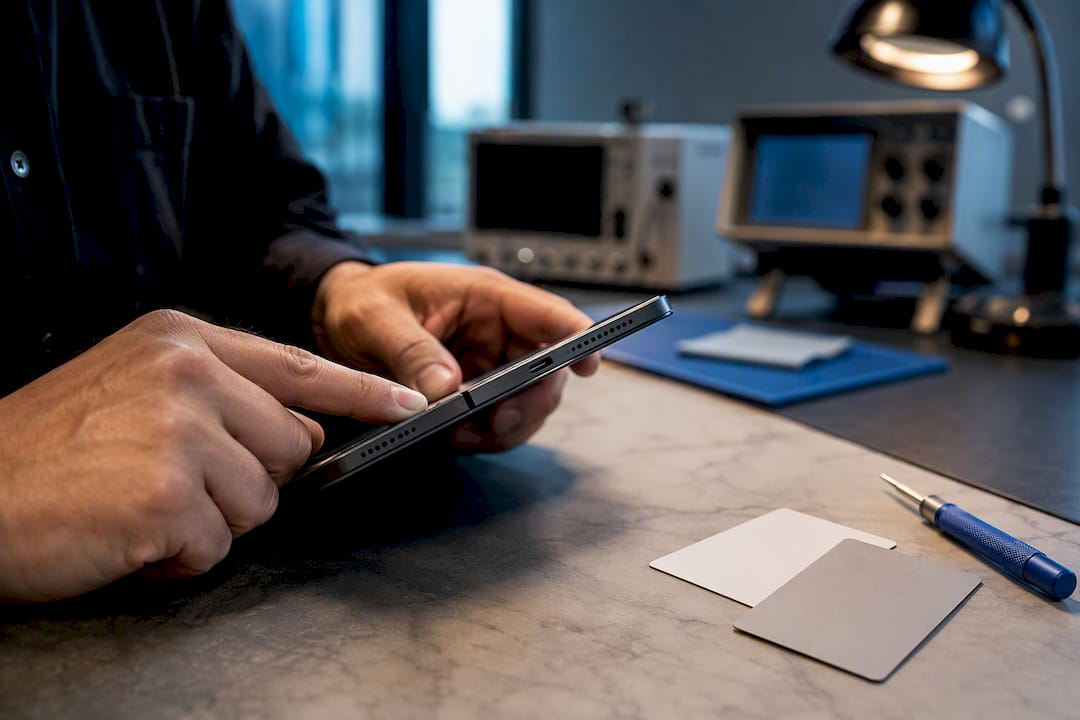
The three things that matter most when you compare refurbished warranties are who backs the coverage, exactly how long it runs and when it starts, and how the claims process actually works. Everything else, the marketing labels, the “like new” badges, the glossy condition grades, are secondary. Before you buy, line those three items up side by side. Skip that step and you’re gambling on a device you can’t easily return if it fails in month four.
TL;DR:
- Warranties backed by manufacturers and with longer durations, such as one to two years, generally offer more reliable repair networks than seller or third-party plans.
- Confirming the warranty start date, registration rules, and exclusions is crucial, as failure to register on time or understanding coverage limits can void claims later.
- Extended warranties are most worthwhile on high-cost repairs for devices like laptops and phones, but often add little value for inexpensive accessories.
- Consumer Reports emphasizes that warranty backing and registration conditions are better indicators of reliability than marketing labels or condition grades.
- Using tools that compare seller backing, registration deadlines, and claim processes helps find the most trustworthy refurbished listings and avoid hidden risks.
Table of Contents
- How Do You Compare Refurbished Warranties?
- How Do You Verify a Refurbished Warranty Before It Expires?
- What Are the Main Types of Refurbished Warranties?
- Is an Extended Warranty Worth It on a Refurbished Device?
- A Quick Checklist for Comparing Any Refurbished Listing
- How We Weigh Warranty Signals When Hunting Refurbished Deals
- Let AI Price Search Surface the Better-Backed Listing
- Sources
How Do You Compare Refurbished Warranties?
Comparing refurbished warranties means putting duration, coverage, and backing side by side before you look at price. Those three variables predict how painless a repair will be far better than the seller’s condition grade does.
Duration varies wildly across refurbished tiers. Basic seller-refurbished listings often carry relatively short warranty periods. Manufacturer-certified programs frequently offer warranties lasting about a year or longer, closer to what you’d get buying new. Microsoft’s certified-refurbished products program is a useful benchmark here: certified status usually signals manufacturer testing standards and manufacturer-backed support, not just a cosmetic once-over.
Coverage breaks down into parts, labor, battery health, and sometimes accessories. Almost every warranty excludes accidental damage, water exposure, and anything touched by an unauthorized repair shop. Read the exclusions list before the coverage list. It tells you more.
Backing determines who actually answers the phone when something breaks. A manufacturer stands behind its own repair network. A third-party seller might route you to a random depot with a two-week turnaround. Consumer Reports advises checking exactly this before purchase: warranty length, who provides it, and what repair options exist.
- Duration: 90 days (entry-level) to 2 years (certified)
- Coverage: parts and labor are standard; battery and accessories vary by seller
- Exclusions: accidental damage, liquid damage, unauthorized repairs
- Backing: manufacturer, seller, or third-party insurer
Statistic to remember: Consumer Reports notes refurbished buyers can save significantly against new-device prices, but that saving only holds up if the warranty terms hold up too. A cheap unit with a weak warranty can cost more in the long run than a slightly pricier certified one.
Registration windows are the quiet trap. Some refurbishers require you to register the device within a specified registration window after delivery, or the warranty may not apply when you need it.
How Do You Verify a Refurbished Warranty Before It Expires?
Reading a warranty document takes five minutes. Skipping that step can cost you weeks chasing a repair that should have been covered.
- Confirm the exact length and start date. Some warranties start at the purchase date; others start at delivery, which can be days later. That gap matters when you’re counting down to expiration.
- Identify who holds the warranty. Is it the manufacturer, the seller, or a third-party insurer like SquareTrade? Each has a different repair network and different response times.
- Check registration rules. Some refurbishers void coverage if you don’t register within a short window, often around 30 days. Save your serial number and order confirmation the day the item arrives.
- Confirm the claim channel and turnaround. Mail-in service, drop-off depot, and on-site repair all carry different wait times. Ask before you need to ask.
- Document the device’s condition on arrival. Photograph the box, the unit, and any scratches or defects immediately.
Pro Tip: Take unboxing photos and a 30-second video the moment your refurbished device arrives, timestamped on your phone. If a “pre-existing” scratch or dead pixel becomes a dispute later, that footage is your best evidence.
What Are the Main Types of Refurbished Warranties?
Not every “refurbished” listing plays by the same rules, and the label alone tells you almost nothing about what happens if the device fails.
- Manufacturer-certified refurbished: The strongest tier. Programs like Microsoft’s often run certified-refurbished devices through the same testing pipeline as new stock, then back them with one to two years of manufacturer support and manufacturer repair channels.
- Seller-backed warranties: Highly inconsistent. One seller’s “90-day warranty” might mean full parts and labor; another’s might mean store credit only. Read the fine print every time.
- Marketplace or platform programs: Increasingly common on large marketplaces, these are often insurer-backed behind the scenes, with a standardized claims portal and a clearly stated coverage length regardless of which individual seller you bought from.
- Third-party protection plans: Providers like SquareTrade layer on accidental-damage coverage that most included warranties skip entirely, but they come with deductibles and claim limits you need to read closely.
Each type solves a different gap. The trick is matching the type to what the included warranty already leaves uncovered.
Is an Extended Warranty Worth It on a Refurbished Device?
An extended plan earns its cost when the included warranty is thin, the device is expensive to repair, and nobody but the seller stands behind it. It’s dead weight when you’ve already bought manufacturer-certified stock with strong native coverage.
Run the math before adding anything.
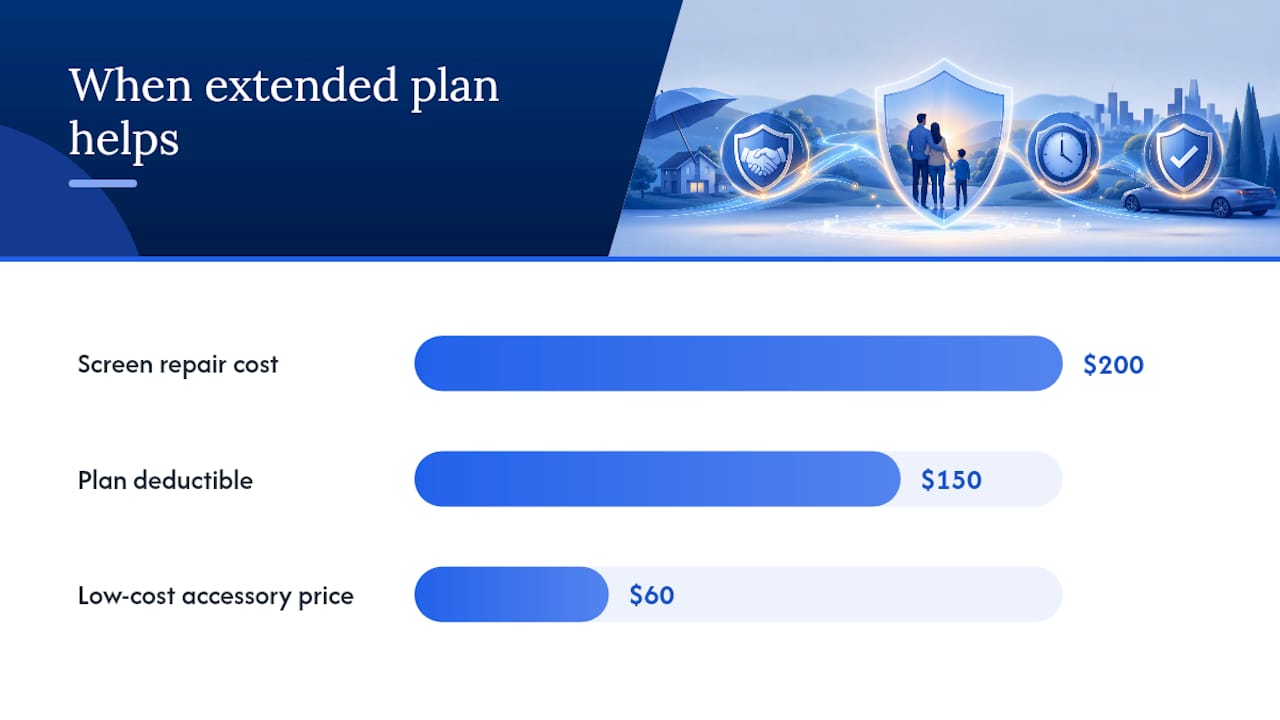
- Compare the plan’s deductible against the device’s realistic repair cost. If a screen replacement runs $200 and the plan charges a $150 deductible for a covered claim, you’re not saving much.
- Check what “accidental damage” actually means in the fine print. Providers like SquareTrade define covered causes explicitly. Read that list, not the marketing summary.
- Ask if the plan transfers if you resell the device. Transferability adds resale value that a locked plan doesn’t.
- Consider alternatives first: some credit cards extend manufacturer warranties automatically, and a longer return window can solve the same problem without an added fee.
Extended plans make the most sense on high-repair-cost items like laptops and phones, less sense on a $60 refurbished accessory.
A Quick Checklist for Comparing Any Refurbished Listing
Save this before you start browsing. Copy it into a note or screenshot it, and fill in each row for every listing you’re seriously considering.
- Warranty length and start date (purchase vs. delivery)
- Who backs it (manufacturer, seller, or insurer)
- What’s explicitly excluded
- Registration required, and the deadline
- Claim process and expected turnaround
- Repair vs. replacement policy
| Priority | What to weigh heavier | Why |
|---|---|---|
| Cost-sensitive buyers | Registration deadline, exclusions | Avoid voided coverage on a budget purchase |
| Uptime/resale-focused buyers | Backing source, transferability | Manufacturer backing holds resale value better |
| Frequent travelers | Claim turnaround, repair location | Slow depot repairs mean longer without the device |
Score each listing loosely: one point for manufacturer backing, one for clear registration terms, one for fast claim turnaround. Three points beats a lower price with zero.
How We Weigh Warranty Signals When Hunting Refurbished Deals
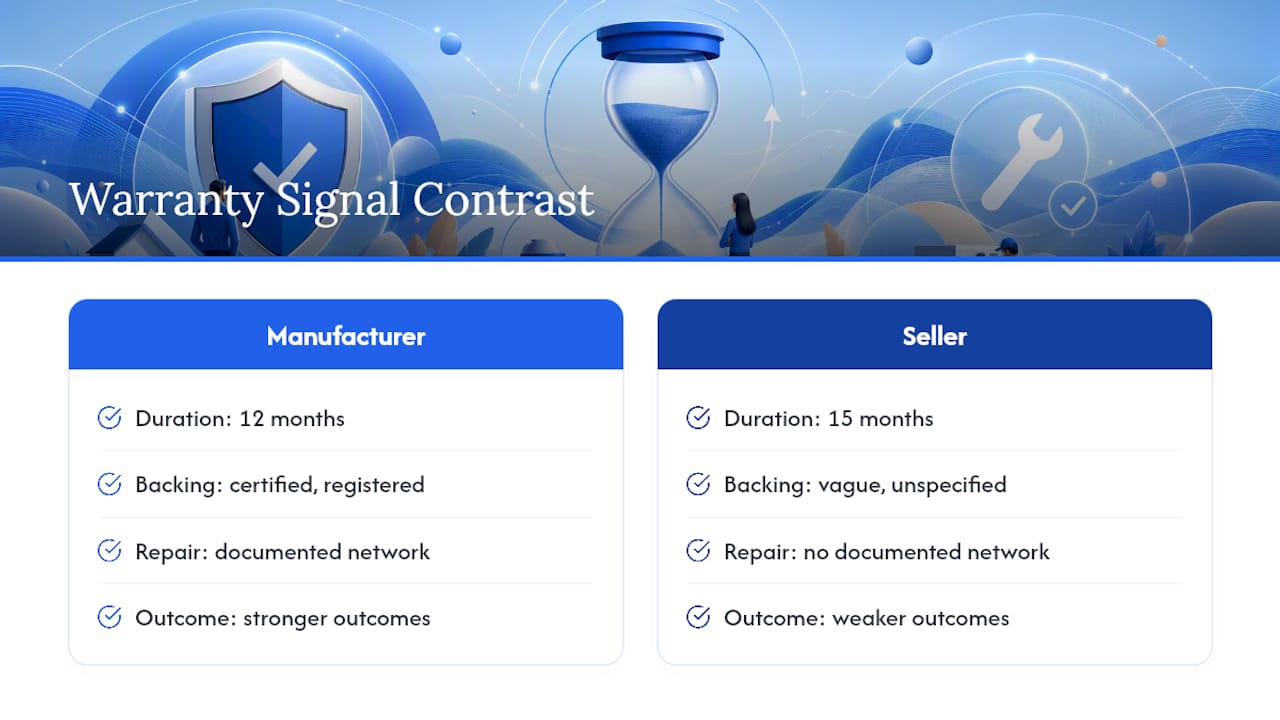
After looking at enough refurbished listings, one pattern holds up: backing and registration terms predict outcomes better than a single extra month of coverage ever does. A 15-month seller warranty with vague exclusions is worth less than a 12-month manufacturer-certified one with a documented repair network.
That’s the filter Aipricesearch applies when surfacing refurbished and factory-direct listings, weighting seller reliability alongside price rather than treating “refurbished” as one uniform category. Shoppers who’ve saved an average of $212 this month using the tool tend to be the ones who checked backing first and price second.
— Timothy
Let AI Price Search Surface the Better-Backed Listing
Reading five warranty pages before you buy a refurbished laptop gets old fast. Some tools cut that work down by comparing prices from verified retailers and factory-direct sources side by side, and flagging seller reliability along with the price tag, so a certified-refurbished listing with real manufacturer backing doesn’t get buried under a cheaper, riskier one.

The tool also runs visual search comparisons against Google Shopping results so you can check whether that “refurbished” badge is holding up a fair price or hiding a markup. Price alerts let you wait out a drop instead of guessing when to buy. If you’re about to shop for a refurbished phone, laptop, or tablet, run the listing through Aipricesearch first and see what the seller reliability score turns up before you check out.
Sources
- Should you buy refurbished electronics? — Consumer Reports
- SquareTrade service
- Penny Hoarder guidance on refurbished warranties and registration
Recommended
Want to compare offers instantly? Search any product on AI Price Search.
Search a price →