B Stock vs Open Box: Compare the Effective Price, Not the Sticker

B Stock vs Open Box: Compare the Effective Price, Not the Sticker
Open-box means a customer opened and returned the item, while B-stock is a wider category that also covers demo units, showroom pieces, and factory seconds with cosmetic flaws. Both usually work like new, but they differ in origin and packaging. Before you buy either one, confirm the exact condition and who stands behind the warranty.
TL;DR:
- Retailer grades are not standardized, so request photos of the actual unit, confirm included accessories, and ask exactly what functional testing the seller performed.
- The FTC does not require warranties on used goods, but any offered written coverage must be clearly disclosed before purchase; verify who provides it.
- Add replacement costs for missing items and needed coverage to the discounted price, then compare the total with today’s new price, not list price.
- For expensive purchases, favor manufacturer outlets or authorized dealers, and walk away if a seller refuses serial number photos or written warranty terms.
- Choose B stock when cosmetic wear is acceptable and price matters; buy new instead if you need pristine packaging, sealed resale, or full manufacturer coverage.
Table of Contents
- What do open-box, B-stock, refurbished, and used usually mean?
- How does grading and inspection affect your risk?
- What should you check on a listing before buying?
- When does open-box win, and when does B-stock make more sense?
- How do you calculate the effective price?
- What should you know about warranties and the law?
- How can you verify authenticity and avoid counterfeits?
- A discount only counts if you can verify it
- How can we help you compare open-box and B-stock deals faster?
- FAQ
- Sources
What do open-box, B-stock, refurbished, and used usually mean?
Open-box items were unpacked and returned, often because of buyer’s remorse rather than a defect. Many returns are functionally fine, and retailers typically avoid reselling opened goods as new.
B-stock is broader. These items are fully functional but not sold as factory-sealed new goods, and they commonly come from returns, dealer demos, showroom inventory or trade-ins. The discount usually reflects cosmetic or packaging issues, not weaker performance.
Refurbished goods go through structured repair, testing, and cleaning, and sometimes carry a manufacturer or retailer warranty. Used items have simply had a previous owner, with no promise of inspection.
Here is the catch: vendors do not agree on these terms. Open-box, scratch-and-dent, B-stock, renewed, and refurbished overlap and lack universal definitions. Read each listing’s details instead of trusting the label alone.
How does grading and inspection affect your risk?
Many retailers grade open-box items using their own condition scales. Higher grades may indicate items closer to new, while other grades allow visible wear, such as scuffs, missing manuals, or generic packaging. Each seller defines its own levels, so check the definition before you compare two listings. Large specialty retailers, such as Guitar Center’s open-box listings, tag items with level-based condition notes and advertised savings, which shows how storefronts organize discounted inventory.
B-stock tends to keep full function even when it looks imperfect. Units are often tested for performance, repackaged in plain boxes, and sold with limited warranties. That is why a B-stock pair of headphones can sound identical to a new one while costing less.
The sales channel matters as much as the grade. B-stock sits between new and refurbished, and controlled channels like brand outlets and certified refurb programs reduce the risk compared with unvetted liquidation resellers. When a manufacturer grades and tests its own returns, the label means something consistent. When a third party buys pallets of returns and relists them, you are relying on that seller’s honesty.
Retailers typically run basic checks on returned items before relisting them, but “basic” varies. A store that powers on a unit and checks accessories is doing less than one that runs a full functional test. Ask what was done, and expect a clear answer from a reputable seller.
What should you check on a listing before buying?
Run every open-box or B-stock listing through this list:
- Confirm the condition grade and ask for photos of the actual unit, not stock images.
- List what is included: charger, cables, remote, manuals, original packaging.
- Note proprietary parts that cost a lot to replace, such as special chargers or batteries.
- Identify the warranty provider (manufacturer or retailer), the length, and get the terms in writing.
- Check the return window and what testing the seller performed.
- Price any missing items or likely repairs into your decision.
Pro Tip: For higher-value gear, ask for the serial number and written confirmation of testing before you pay, then check the serial against the manufacturer’s registration or warranty lookup if one exists.
Experts also warn that “discounted” does not always mean “good deal.” Compare the listing against the current new price, not an outdated list price, and weigh the whole package: accessories, warranty length, and return terms. A markdown on something that arrives without its charger and with limited warranty coverage may be worse than a smaller discount on a complete unit with solid coverage.
When does open-box win, and when does B-stock make more sense?
Open-box wins when you want near-new function plus a retailer’s return policy or warranty. A shopper buying a laptop for school, for example, may benefit from an open-box unit that looks and works like new and can be returned if something is off.
B-stock wins when looks matter less than price. Think of a studio owner buying a rack-mounted audio interface that will sit out of sight, or a contractor buying tools for job sites. Cosmetic scuffs mean nothing there, so a deeper discount is pure gain. In some niches, B-stock even comes with the same factory warranty as new stock, which makes it especially strong for professionals who care about performance over polish.
Skip both if you plan to resell the item sealed, need a gift that arrives pristine, or require the full manufacturer warranty with no exceptions. In those cases, new in the box is the safer buy.
How do you calculate the effective price?
The sticker discount is only the starting point. Your effective price is the discounted price, minus the value of anything missing from the box, plus the cost of coverage you would need to match a new purchase.
Here is a simple illustration. If an open-box speaker is missing a remote and you would want a protection plan, add the replacement remote and coverage costs to the open-box price. Compare that effective price with the current new price to see the real saving.

Do this math against the current new price, which changes often. Our guide to comparing total price across retailers walks through including shipping and tax, and price-tracking shows whether a discount is genuine or just a return to the item’s usual price.
What should you know about warranties and the law?
The FTC does not require a warranty on used or open-box goods. But under the Magnuson-Moss Warranty Act, if a written warranty is offered, its terms must be clearly and conspicuously disclosed before purchase. The same guidance says retailers cannot void warranties over third-party parts unless those parts caused the specific damage.
In practice: insist on seeing the warranty text before you pay, and ask whether the manufacturer or the retailer is the one standing behind it. A retailer warranty and a manufacturer warranty can differ sharply in length and coverage.
How can you verify authenticity and avoid counterfeits?
Counterfeits are rare at brand-controlled outlets and authorized retailers, which is the strongest reason to prefer those channels for expensive items. Risk climbs with unvetted marketplace sellers and liquidation resellers.
Start with the seller. Confirm the store is an authorized dealer or the manufacturer’s own outlet, and read reviews that mention condition accuracy and returns. A price far below every other listing is a warning sign, not a bargain.
Then verify the unit itself. Ask for photos of the serial number, model label, and any holograms or seals, and compare them against the manufacturer’s official product images. Check the serial number against the brand’s warranty or registration page when one is available. Inspect packaging and manuals for blurry printing, misspellings, or odd materials.
Finally, watch for resellers marking up goods they never hold. Our dropship detector flags listings whose prices look inflated by a middleman, and matching a listing to its exact SKU, as covered in our guide to matching products across stores, confirms you are comparing the same item. If a seller does not provide serial photos or written warranty terms, walk away.

A discount only counts if you can verify it
My routine is simple. I confirm the condition and the warranty first, then work out the effective price, and for anything expensive I stick to the manufacturer’s own outlet or an authorized dealer. I once skipped a tempting listing because the seller would not say who covered the warranty, and a quick check showed the new price had dropped to nearly the same number. Be systematic. A markdown is a claim, not a fact, until you have checked it.
— Timothy
How can we help you compare open-box and B-stock deals faster?
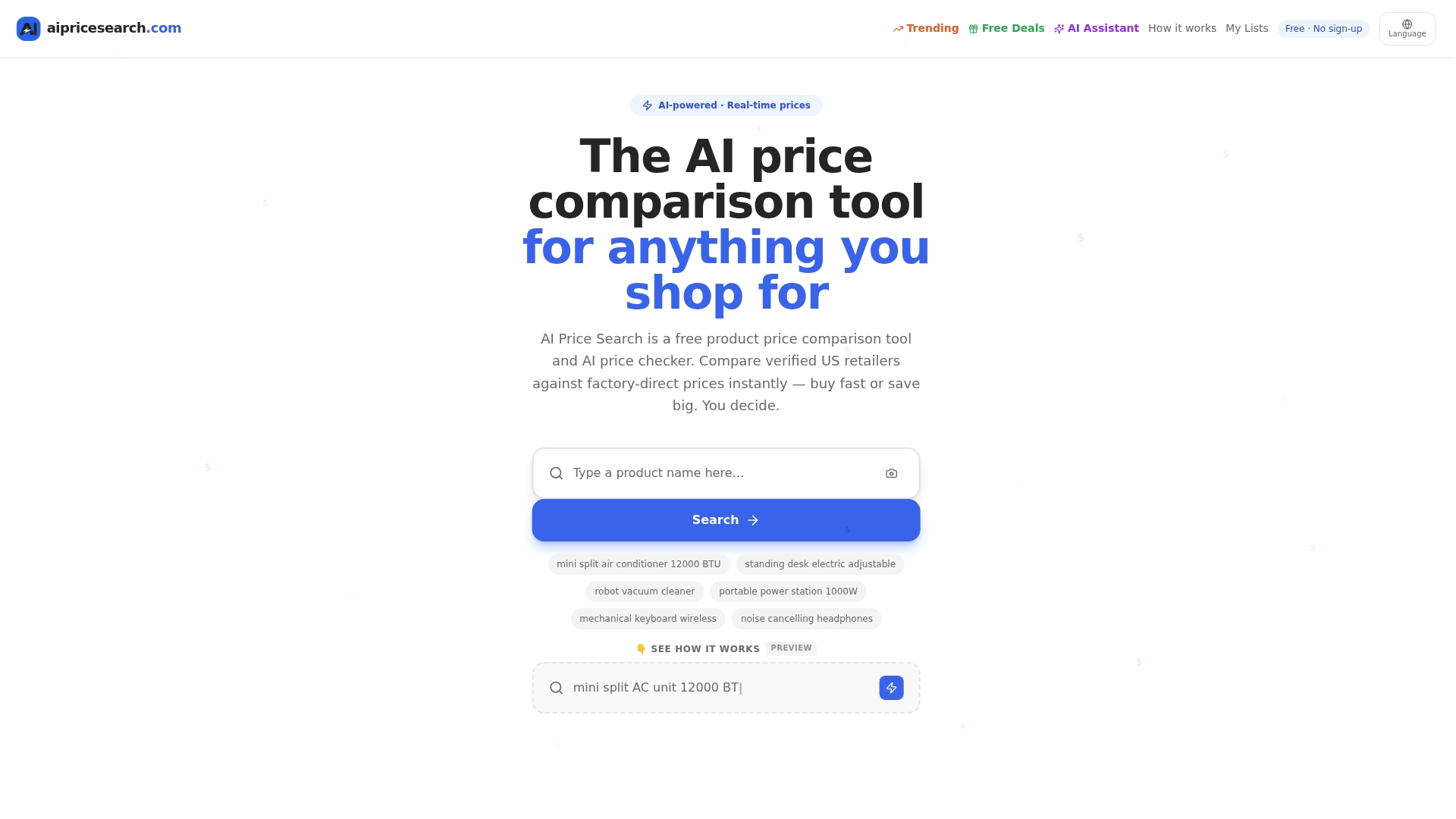
We built a free AI price comparison tool that ranks verified retailer and factory-direct listings by total cost, with price history, image and URL search, and shopping lists to track what you find. It makes the effective-price math and seller checks above much quicker. Try it, or ask our AI shopping assistant to find matching listings and alert you to price drops.
FAQ
What are B-stock products, and are they safe to buy?
B-stock items are fully functional goods sold outside factory-sealed new stock, usually discounted for cosmetic or packaging reasons. They are generally safe when bought from a manufacturer outlet or authorized dealer with clear warranty terms. Confirm the condition and who covers the warranty before you pay.
What does “open box” mean at a retailer?
Open box means the item was unpacked and returned, then relisted at a discount. It is often a buyer’s-remorse return rather than a faulty one. Check the grade, the included accessories, and the return window.
Are open-box products safe to buy?
Usually, yes, especially from major retailers that inspect returns before reselling them. Safety depends on the seller and the listing details, so ask what testing was done. Get warranty and return terms in writing.
Is B-stock better than refurbished?
Not necessarily. Refurbished items go through structured repair and testing and may carry a stronger warranty, while B-stock is typically a tested return or demo unit with minor cosmetic flaws. Compare each listing’s warranty and return terms to decide.
Sources
- Warranties | Consumer Advice
- Avgear
- What Is B-Stock? The Reality Behind B-Stock Goods in Retail and Online Marketplaces
- Open Box Vs. Refurbished And Used Electronics: How Are They Different?